
.jpeg)
Axitinib (Inlida) belongs to which generation of targeted drugs and comparative results with similar drugs
Axitinib (Axitinib) is a small molecule tyrosine kinase inhibitor (TKI) that mainly acts on vascular endothelial growth factor receptor (VEGFR-1, VEGFR-2 and VEGFR-3), can significantly inhibit tumor angiogenesis. In the generational division of targeted drugs, axitinib is considered a second-generation targeted anti-angiogenic drug. Compared with the first-generation sorafenib (Sorafenib) and sunitinib (Sunitinib), it has higher selectivity and stronger inhibitory effect.
The first-generation anti-angiogenesis targeted drugs such as sorafenib and sunitinib are multi-target inhibitors. They not only inhibit VEGFR, but also have certain inhibitory activity on PDGFR, KIT and other receptors. Therefore, they have significant efficacy in the treatment of diseases such as renal cell carcinoma, but they also have many side effects. As a second-generation drug, axitinib is more specific and has a more precise inhibitory effect on VEGFR, thus ensuring efficacy while reducing some non-target-related adverse reactions.
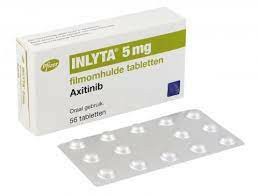
Clinical studies have shown that the progression-free survival (PFS) of axitinib in the second-line treatment of metastatic renal cell carcinoma is somewhat longer than that of the first-generation drug. In direct comparison studies, axitinib still showed efficacy advantages in patients who were partially resistant to sorafenib or sunitinib, suggesting its value in second-line and even some third-line treatment. Compared with similar drugs such as pazopanib (Pazopanib), axitinib is relatively better tolerated and is easier to manage, especially in terms of liver function impairment and gastrointestinal side effects.
In general, axitinib, as a second-generation VEGFR targeted drug, has become one of the important choices in the treatment of indications such as metastatic renal cell carcinoma. Its selectivity and tolerability advantages compared with first-generation drugs make it more suitable for patients who require long-term medication or have developed resistance to first-generation drugs. At the same time, clinically, the specific medication sequence will be determined based on the patient's underlying disease, tolerance status, and medical insurance coverage. Axitinib has an irreplaceable position in individualized treatment strategies.
Reference materials:https://www.drugs.com/
[ 免责声明 ] 本页面内容来自公开渠道(如FDA官网、Drugs官网、原研药厂官网等),仅供持有医疗专业资质的人员用于医学药学研究参考,不构成任何治疗建议或药品推荐。所涉药品可能未在中国大陆获批上市,不适用于中国境内销售和使用。如需治疗,请咨询正规医疗机构。本站不提供药品销售或代购服务。


