
.jpeg)
How long should you take Dabrafenib (Tefila) to see the effect and the time to take effect?
Dabrafenib (Dabrafenib) is an oral BRAF V600 mutation inhibitor, mainly used to treat BRAF V600E or V600K mutation-positive melanoma, non-small cell lung cancer and thyroid cancer. Its mechanism of action is to selectively inhibit the abnormally activated BRAF protein and block the MAPK signaling pathway, thereby inhibiting tumor cell proliferation and inducing apoptosis. Clinical studies have shown that dabrafenib can significantly delay disease progression and improve patient survival rate in the treatment of BRAF mutation-related tumors.
As for the onset of effect, clinical data show that most patients can observe improvements in imaging or symptoms after taking the drug for 2 to 4 weeks. For example, patients with melanoma may experience a reduction in tumor size, improvement in skin lesions, or a decrease in symptoms during this period. Patients with non-small cell lung cancer may show signs of relief of respiratory symptoms or reduction of imaging lesions. Although the initial response appears quickly, the full course of treatment still needs to be continued to consolidate the response and prolong progression-free survival.
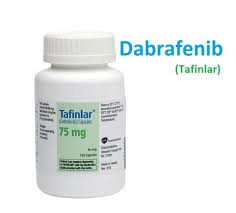
Dabrafenib treatment is usually continued until disease progression or intolerable adverse effects occur. The standard dosage is 150 mg orally twice a day. It is recommended to discuss individual dosage adjustments with your doctor to deal with side effects or patients with special physical conditions. Although the onset of action is relatively quick, the length of treatment varies depending on the patient's condition, tolerance, and combination medication regimen. If used in combination with trametinib, the effect is usually faster and more significant, and the development of drug resistance can be delayed.
In terms of medication management, patients should maintain regular medication and follow-up monitoring. In the early stage of treatment, regular imaging review, hematology, and liver and kidney function monitoring are required to evaluate the efficacy and safety. Common side effects include fever, rash, fatigue and joint pain, most of which can be relieved through symptomatic treatment or dose adjustment. In general, the initial efficacy of dabrafenib can be observed within 2 to 4 weeks, but the course of treatment should be continued, in conjunction with physician guidance and regular monitoring, to ensure long-term effective tumor control.
Reference materials:https://www.drugs.com/
[ 免责声明 ] 本页面内容来自公开渠道(如FDA官网、Drugs官网、原研药厂官网等),仅供持有医疗专业资质的人员用于医学药学研究参考,不构成任何治疗建议或药品推荐。所涉药品可能未在中国大陆获批上市,不适用于中国境内销售和使用。如需治疗,请咨询正规医疗机构。本站不提供药品销售或代购服务。


