
.jpeg)
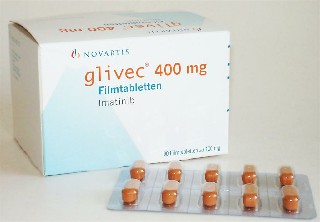
Detailed description of the functions, efficacy and indications of imatinib (Gleevec)
Imatinib (Imatinib) is an oral small molecule targeted drug that is a tyrosine kinase inhibitor (TKI). It selectively inhibits BCR-ABLTyrosine kinases and other related targets, such as c-KIT and PDGFR (platelet-derived growth factor receptor), block abnormal signaling, thereby inhibiting tumor cell proliferation, inducing apoptosis, and improving patients' clinical symptoms. This mechanism makes imatinib a pioneer drug in targeted therapy, bringing revolutionary changes to the treatment of diseases such as chronic myelogenous leukemia (CML) and gastrointestinal stromal tumor (GIST).
First of all, imatinib plays a central role in the treatment of **chronic myelogenous leukemia (CML)**. CMLPatients usually have a Philadelphia chromosome. The presence of this chromosome causes the BCR-ABL fusion gene to express abnormal tyrosine kinase, promoting the unlimited proliferation of leukemia cells. Imatinib effectively blocks the signaling pathway by targeting the BCR-ABL tyrosine kinase, thereby inhibiting the proliferation of leukemia cells and inducing their apoptosis. Clinical studies have shown that imatinib can achieve a complete hematological response rate and a significant molecular response rate of more than 90% in patients with CML in the chronic phase, while significantly improving patient survival rates. Imatinib also shows good efficacy for patients with CML in the accelerated phase or blast phase, especially when other treatment options are intolerant or fail, providing patients with an effective treatment option.
In addition to CML, imatinib is also widely used in the treatment of **gastrointestinal stromal tumors (GIST) **. GISTMost patients carry c-KIT or PDGFR-α gene mutations, which lead to abnormal activation of receptor tyrosine kinases and trigger tumor growth. Imatinib inhibits tumor proliferation and induces apoptosis by inhibiting c-KIT and PDGFR signaling pathways. In postoperative adjuvant therapy, imatinib can reduce the risk of recurrence in patients with high-risk GIST; in patients with unresectable or metastatic GISTIn patients, it can be used as first-line treatment to significantly extend progression-free survival (PFS). For patients with GIST with different mutation types, the efficacy of imatinib is slightly different, so genetic testing is particularly important before treatment.
In addition, imatinib is used to treat other rare tumors or conditions. For example, for some patients with chronic eosinophilic leukemia (CEL) or eosinophilic granuloma (HES) who carry the PDGFR-α fusion gene, imatinib can also be used for targeted therapy. Some studies have also shown that imatinib has a certain effect on certain locally aggressive fibromas or specific types of dermatofibroma. Overall, the indications for imatinib mainly include CML, GIST, and rare blood and solid tumors carrying related gene mutations.
Patients often require individualized dose adjustments when treated with imatinib. The standard starting dose is generally 400 mg per day orally for patients in the chronic phase; patients in the accelerated or blast phase may require 600 mg per day. GISTThe usual dose for patients with GIST is usually 400mg daily, but in some patients who tolerate it well, the dose can be adjusted appropriately based on the type of tumor mutation and clinical response. Blood routine, liver and kidney function and electrocardiogram should be monitored regularly during medication to evaluate efficacy and safety. Common adverse reactions include edema, nausea, diarrhea, muscle cramps, rash, and hematological abnormalities, and most of them can be controlled through dose adjustment or symptomatic treatment.
In general, imatinib inhibits tumor proliferation, induces apoptosis and improves clinical symptoms by targeting tyrosine kinases such as BCR-ABL, c-KIT and PDGFR. It is the standard treatment for patients with chronic myelogenous leukemia and gastrointestinal stromal tumors, providing patients with significant survival benefits. At the same time, imatinib has also shown good clinical value against a small number of rare mutant tumors. Patients should strictly follow the doctor's instructions during use and regularly review hematology and tumor indicators to ensure efficacy and safety. Through scientific and rational medication management, imatinib can significantly improve patients' quality of life and prolong progression-free survival and overall survival.
Reference materials:https://www.drugs.com/
[ 免责声明 ] 本页面内容来自公开渠道(如FDA官网、Drugs官网、原研药厂官网等),仅供持有医疗专业资质的人员用于医学药学研究参考,不构成任何治疗建议或药品推荐。所涉药品可能未在中国大陆获批上市,不适用于中国境内销售和使用。如需治疗,请咨询正规医疗机构。本站不提供药品销售或代购服务。


