
.jpeg)
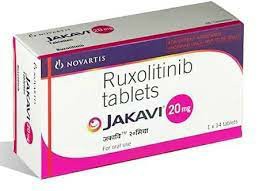
Detailed instructions for ruxolitinib tablets/Jekewei
1. Basic information
Ruxolitinib is an oral, small molecule kinase inhibitor sold globally under the trade names of Jakavi and Jakafi. As a selective JAK1 and JAK2 inhibitor, it has changed the treatment landscape of some hematopoietic system diseases and immune-related diseases. In recent years, with the continuous expansion of clinical application scope, this drug has received widespread attention in domestic and foreign markets.
2. Scope of indications
1. Myelofibrosis(MF): Applicable to moderate- to high-risk adult patients, including primary myelofibrosis, myelofibrosis secondary to polycythemia vera, and myelofibrosis after essential thrombocythemia.
2. Polycythemia vera (PV): It is mainly used for adult patients who have poor tolerance or insufficient response to hydroxyurea, providing a new treatment option for controlling hematological abnormalities.
3. Acute graft-versus-host disease (aGVHD): It is suitable for patients 12 years old and above who are refractory to steroids. It is currently one of the few oral small molecule drugs approved for this indication.
4. Chronic graft-versus-host disease (cGVHD): After one or more systemic treatments fail, it can still provide treatment opportunities for patients over 12 years old, expanding the possibility of anti-rejection treatment.
3. Usage and dosage characteristics
The dose of ruxolitinib needs to be individualized based on platelet levels, disease severity, and individual patient differences. Doctors usually perform a complete blood count before treatment to avoid overuse in patients with anemia or markedly low platelets.
1. In patients with myelofibrosis, the starting dose is closely related to platelet levels, and people with low platelets are usually given a smaller dose.
2. In polycythemia vera, the commonly used initial dose is 10 mg twice a day, which is gradually adjusted according to efficacy and tolerance.
3. In cases of graft-versus-host disease (including acute and chronic), the dose design is more cautious. Doctors will make dynamic adjustments based on hematological indicators and clinical responses, and may gradually reduce the dose after symptoms improve to reduce the risk of adverse effects caused by long-term use.
4. Special groups, such as patients with impaired liver and kidney function, often need to appropriately reduce the dosage under the guidance of a doctor.
4. Adverse reactions and monitoring
As a drug targeting the JAK pathway, the most common side effects of ruxolitinib are related to the inhibition of hematopoiesis.
Hematological adverse reactions: thrombocytopenia, anemia and neutropenia are common, and blood pictures need to be monitored regularly.
Non-hematological adverse reactions: headache, dizziness, weight gain, hypercholesterolemia, elevated liver enzymes, etc.
Risk of infection: During graft-versus-host disease treatment, patients may develop cytomegalovirus infection, sepsis, or herpes virus reactivation due to increased immunosuppressive effects.
Doctors usually recommend a complete blood count every 2-4 weeks in the early stages of medication, and then extend the testing interval according to the situation, while monitoring blood lipid levels and liver and kidney function.
5. Storage requirements
Ruxolitinib should be stored at room temperature (20℃-25℃), and the allowed fluctuation range is between 15℃ and 30℃. Proper storage can not only ensure the stability of drug efficacy, but also avoid the decrease in efficacy caused by drug degradation.
6. Mechanism of action
Ruxolitinib blocks cytokine and growth factor-related signaling by selectively inhibiting Janus kinases (JAK1 and JAK2) Janus kinases. The JAK pathway plays a central role in regulating the hematopoietic and immune systems. The drug can effectively prevent the phosphorylation and entry of STAT proteins into the nucleus, thereby affecting the expression of related genes, reducing abnormal inflammatory responses and improving hematological abnormalities. This mechanism determines its application value in diseases such as myelofibrosis, polycythemia vera, and graft-versus-host disease.
Reference materials:https://www.jakavi.com/
[ 免责声明 ] 本页面内容来自公开渠道(如FDA官网、Drugs官网、原研药厂官网等),仅供持有医疗专业资质的人员用于医学药学研究参考,不构成任何治疗建议或药品推荐。所涉药品可能未在中国大陆获批上市,不适用于中国境内销售和使用。如需治疗,请咨询正规医疗机构。本站不提供药品销售或代购服务。


