
.jpeg)
Analysis of the main functions, efficacy and scope of indications of Ceritinib/Ceritinib (Zanda)
Ceritinib (Ceritinib, trade name: Zykadia) is a second-generation oral small molecule tyrosine kinase inhibitor (Tyrosine Kinase Inhibitor, TKI), developed by Novartis (Novartis) and approved by the U.S.FDA for the first time in 2014. It is a targeted drug targeting anaplastic lymphoma kinase (ALK, Anaplastic Lymphoma Kinase) gene rearrangement. It is mainly used to treat patients with non-small cell lung cancer (NSCLC) who have ALK positive mutations. As a follow-up drug developed to crizotinib (Crizotinib), ceritinib has significant advantages in overcoming drug resistance and improving metastatic lesions in the central nervous system, and is therefore widely considered to be one of the important treatment options for ALK positive lung cancer.
Compared with the first generationALK inhibitors, ceritinib not only shows stronger inhibitory activity in clinical practice, but also has higher sensitivity to some resistance mutation sites. The background of its research and development is to meet the urgent needs of patients with clinical resistance to crizotinib and improve survival and quality of life.
Mechanism of action and pharmacological efficacy
The main mechanism of action of ceritinib is to selectively inhibit the activity of ALK tyrosine kinase. ALK gene rearrangement or mutation will lead to the production of abnormal ALK fusion protein, which continuously activates downstream signaling pathways (such as P I3K/AKT, JAK/STAT and MAPK), thereby promoting the unlimited proliferation of tumor cells and evading apoptosis. Ceritinib binds to the ATP binding site of ALK kinase, effectively blocking this abnormal signaling pathway and inhibiting the growth of tumor cells from the root.
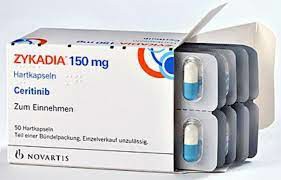
Clinical studies have shown that ceritinib is resistant to multiple crizotinib resistance-related mutations (such asL1196M, G1269A, etc.) remain active, making them a first-line alternative for patients after resistance to first-generation ALK inhibitors. In addition, it has strong penetration into the central nervous system (CNS) and can reduce and control brain metastases, which is a common and difficult problem for patients with lung cancer.
In terms of efficacy, a number of international III clinical trials (such as the ASCEND series of studies) have confirmed that ceritinib is ALK positive
Scope of indications and clinical application
Currently, the main indication of ceritinib is to treat ALK patients with metastatic non-small cell lung cancer, specifically including the following categories of people:
1.Patients who are resistant or intolerant to crizotinib
The earliest approved indication of ceritinib is for patients who have received crizotinib treatment but have disease progression or are unable to continue treatment due to side effectsALKpositiveNSCLC patients. It provides these patients with an effective means of subsequent treatment.
2. First-line treatment population
With the accumulation of clinical trial data and confirmation of long-term efficacy, FDA approved ceritinib in 2017 for the first-line treatment of patients with ALK-positive metastatic non-small cell lung cancer who have not received systemic treatment. Ceritinib significantly prolonged progression-free survival and improved overall quality of life compared with chemotherapy.
3.Patients with brain metastasis
Since a considerable proportion of lung cancer patients have brain metastases, and ceritinib has better drug penetration into the central nervous system, it also has a strong effect on brain metastases. This provides additional benefit to patients with concomitant CNS metastases.
4.Other potential research directions
Although the main indications for ceritinib are currently focused onNSCLC, but with the in-depth research on ALK fusion gene-related diseases, its application in other rare tumors has gradually attracted attention. For example, some ALK positive lymphomas, inflammatory myofibroblastic tumors (IMT), etc. Although it has not yet been approved in all countries, clinical studies are underway.
Precautions for use and safety considerations
In practical applications, the dosage and administration of ceritinib need to be strictly followed by the doctor’s instructions. The common recommended dose is 450 mg taken orally once daily (with food). To reduce gastrointestinal adverse effects, many guidelines recommend that patients take it with food.
Common side effects include gastrointestinal effects (such as nausea, vomiting, diarrhea), abnormal liver function, fatigue, and decreased appetite. Some patients may experience elevated blood sugar, pancreatitis, and prolongation of the QT interval in the electrocardiogram. Therefore, hematological and biochemical indicators need to be monitored regularly during treatment.
For patients with abnormal liver or renal function, the dose needs to be adjusted carefully and treated under the supervision of a doctor. In addition, ceritinib may interact with some drugs (such as drugs metabolized by CYP3A4). Patients must truthfully inform their doctors of all drugs they are taking before taking the drug.
Judging from clinical experience, reasonable dose adjustment and supportive treatment (such as antiemetics, antidiarrheals, etc.) can help patients better tolerate the drugs and achieve longer-term effects.
Ceritinib (Ceritinib), as a second-generation ALK inhibitor, is an important targeted therapy for patients with ALK-positive non-small cell lung cancer. It not only shows significant efficacy in crizotinib-resistant patients, but is also gradually established as a first-line treatment option. With its powerful ALK inhibitory activity and central nervous system penetration, ceritinib significantly improves the survival benefit and quality of life of patients with ALK positive lung cancer.
Although drugs may cause certain adverse reactions, most patients can tolerate them and benefit from them under reasonable guidance and monitoring by doctors. In the future, as more clinical studies are conducted, ceritinib is expected to expand into the treatment of more ALK-related tumors and provide patients with more precise treatment options.
Reference materials:https://www.drugs.com/
[ 免责声明 ] 本页面内容来自公开渠道(如FDA官网、Drugs官网、原研药厂官网等),仅供持有医疗专业资质的人员用于医学药学研究参考,不构成任何治疗建议或药品推荐。所涉药品可能未在中国大陆获批上市,不适用于中国境内销售和使用。如需治疗,请咨询正规医疗机构。本站不提供药品销售或代购服务。


