
.jpeg)
What are the side effects of Evantumumab/Carestream?
Amivantamab (amivantamab) is a new bispecific antibody drug that targets the EGFR and MET pathways at the same time. It has shown unique advantages in the treatment of non-small cell lung cancer with EGFR20 insertion mutations. However, like most targeted drugs and antibody drugs, while evantumumab brings therapeutic effects, it is also accompanied by certain adverse reactions. Understanding these side effects can help patients be mentally prepared during treatment and communicate with their doctors in a timely manner for optimal management.
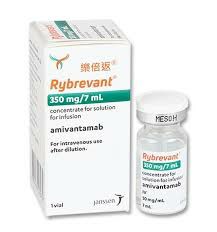
First, the most common side effects are infusion-related reactions. This type of reaction usually occurs during the first dose period and manifests as fever, chills, rash, shortness of breath or blood pressure fluctuations. In order to reduce the risk, divided infusion is often used clinically when the first dose is administered, and pretreatment drugs, such as antihistamines and antipyretics, are given. This strategy can significantly reduce the severity of infusion reactions and allow patients to get through the initial stage of treatment more smoothly.
Secondly, skin toxicity is one of the more prominent problems with evantumumab. Some patients may develop acne-like rash, dryness or itching, which is closely related to EGFR pathway inhibition. Although most skin reactions are controllable, if not managed properly, they may affect the quality of life. Therefore, moisturizers and topical drugs need to be used during the treatment process, and the dosage should be adjusted if necessary.
In addition, evantuzumab may cause respiratory and gastrointestinal discomfort. For example, some patients report cough, dyspnea or diarrhea. Most of these symptoms are mild to moderate and can be improved through symptomatic treatment. However, if severe respiratory symptoms occur, we must be alert to the possibility of drug-related pneumonia, discontinue the drug promptly, and conduct evaluation.
In hematology, some patients experience a decrease in white blood cells or platelets, which needs to be monitored with regular blood tests. This type of myelosuppression is relatively mild compared with chemotherapy, but should be treated with caution.
Reference materials:https://www.rybrevant.com/
[ 免责声明 ] 本页面内容来自公开渠道(如FDA官网、Drugs官网、原研药厂官网等),仅供持有医疗专业资质的人员用于医学药学研究参考,不构成任何治疗建议或药品推荐。所涉药品可能未在中国大陆获批上市,不适用于中国境内销售和使用。如需治疗,请咨询正规医疗机构。本站不提供药品销售或代购服务。


