
.jpeg)
Detailed explanation of common adverse reactions and treatment methods of Giritinib (Segatan)
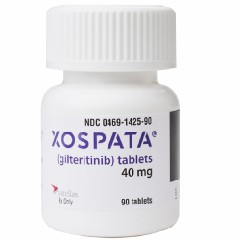
Gilteritinib (Gilteritinib) is a selective FLT3 tyrosine kinase inhibitor, mainly used to treat FLT3 mutant acute myeloid leukemia (AML) patients. The drug blocks leukemia cell proliferation and promotes cell apoptosis by inhibiting the FLT3 kinase signaling pathway. Although giritinib has significant advantages in clinical efficacy, patients may suffer from a variety of adverse reactions during actual treatment. Understanding these adverse reactions and how to deal with them can help improve patients' medication tolerance and treatment continuity.
The most common adverse reactions of giritinib include fever, fatigue, anemia, bleeding tendencies, abnormal liver function, and gastrointestinal symptoms (such as nausea, vomiting, diarrhea). Fever and fatigue are common accompanying symptoms in patients with leukemia, but they require special attention during medication. Clinically, it is recommended that patients regularly monitor body temperature and blood routine during medication. If persistent high fever or severe fatigue occurs, the doctor should be informed in time, and anti-infective treatment or supportive therapy may be performed if necessary to relieve symptoms and avoid worsening of the condition.
Hematological toxicity is also one of the common adverse reactions of giritinib, manifesting as neutropenia, thrombocytopenia or anemia. These side effects may increase the risk of infection, bleeding, and fatigue. Management usually includes regular blood routine monitoring and, if necessary, controlling side effects by delaying dosing, reducing the dose, or temporarily discontinuing the drug. Patients with severe hematologic abnormalities may require blood transfusions or growth factor support. Through individualized dose adjustment, the vast majority of patients can safely continue taking the medication while maintaining efficacy.
Giritinib may also cause liver function damage, including ALT, AST increases, and even jaundice. For this reason, it is clinically required to regularly monitor liver function indicators before and during medication. If a significant increase is found, the dose should be adjusted in time or the medication should be temporarily discontinued, and liver protection measures should be taken according to the guidance of a doctor. In addition, giritinib may prolong the QT interval and increase the risk of arrhythmia. Patients should undergo ECG monitoring during medication and avoid concurrent use with drugs that may prolong the QT interval.
Gastrointestinal discomfort is also one of the common side effects of giritinib, including nausea, vomiting, diarrhea and constipation. For these symptoms, patients can reduce discomfort by taking the medicine in divided doses, taking it with meals, or replenishing fluids before and after taking the medicine. If necessary, the doctor can prescribe antiemetics or antidiarrhea drugs for symptomatic treatment. At the same time, the diet should be light, less greasy, and easy to digest to reduce the burden on the gastrointestinal tract.
In general, although giritinib has many adverse reactions, most side effects can be effectively controlled through regular monitoring, individualized dose adjustment, and symptomatic treatment. Patients should strictly follow medical instructions, pay close attention to changes in their own signs, and maintain communication with their doctors to ensure continuity and safety of treatment. Scientific management of side effects can not only improve patients' quality of life, but also help achieve optimal treatment results, providingFLT3mutatedAML patients provide reliable clinical protection.
Reference materials:https://www.drugs.com/
[ 免责声明 ] 本页面内容来自公开渠道(如FDA官网、Drugs官网、原研药厂官网等),仅供持有医疗专业资质的人员用于医学药学研究参考,不构成任何治疗建议或药品推荐。所涉药品可能未在中国大陆获批上市,不适用于中国境内销售和使用。如需治疗,请咨询正规医疗机构。本站不提供药品销售或代购服务。


