
.jpeg)
What are the side effects of Entrectinib/Luo Shengquan?
Entrectinib (Entrectinib) is an oral small molecule tyrosine kinase inhibitor that mainly targets NTRK, ROS1 and ALK fusion genes. It is used for patients with solid tumors and non-small cell lung cancer (NSCLC) with specific genetic alterations. Although it has shown remarkable efficacy in targeted therapy, patients may still suffer from a variety of side effects while taking it. These side effects require great attention in clinical practice to ensure the safety and sustainability of treatment.
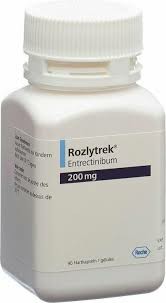
The most common side effects include mild to moderate gastrointestinal effects such as nausea, vomiting, diarrhea, and constipation. These reactions are usually more obvious in the early stages of treatment and can be alleviated through dietary adjustments, moderately divided doses, or drug support. In addition, fatigue, weakness and loss of appetite are also common adverse reactions, and some patients may be accompanied by weight loss and energy loss. This requires doctors and patients to jointly assess the physical condition and formulate appropriate lifestyle management and nutritional intervention.
Nervous system-related side effects cannot be ignored, including headache, dizziness, and drowsiness, which may be related to the penetrating properties of entrectinib into the central nervous system. Some patients may also experience paresthesia or mild cognitive changes. Therefore, while taking the drug, patients should avoid high-risk activities such as driving or operating machinery, and maintain communication with their medical staff to monitor symptoms.
Regarding the cardiovascular system, a small number of patients may be at risk of increased blood pressure or arrhythmia. Therefore, it is recommended to regularly monitor blood pressure and electrocardiogram before and during treatment so that the medication regimen can be adjusted in a timely manner. Elevated liver function indicators are also one of the potential side effects, and abnormalities need to be detected early through blood biochemical monitoring. Skin reactions such as rash, itching, and mild hair loss occur in some patients, and these side effects can generally be controlled with topical care and pharmacological intervention.
Reference materials:https://www.roche.com/products/rozlytrek
[ 免责声明 ] 本页面内容来自公开渠道(如FDA官网、Drugs官网、原研药厂官网等),仅供持有医疗专业资质的人员用于医学药学研究参考,不构成任何治疗建议或药品推荐。所涉药品可能未在中国大陆获批上市,不适用于中国境内销售和使用。如需治疗,请咨询正规医疗机构。本站不提供药品销售或代购服务。


