
.jpeg)
What is the main difference between Putomani and Dramani/Delba
Delamanid and Pretomanid are both new drugs that have attracted much attention in the field of anti-tuberculosis in recent years. Their emergence has had a profound impact on the global treatment pattern of drug-resistant tuberculosis. Although both are important weapons to deal with drug-resistant tuberculosis, they have certain differences in their research and development background, chemical structure, pharmacological mechanism, scope of indications, and clinical application strategies. Because of this, clinicians often need to compare and differentiate between two drugs when selecting treatment options in order to develop the most appropriate individualized treatment plan for the patient.
Judging from the research and development process, delamanid was developed by Japan's Otsuka Pharmaceutical Company. It was one of the first new drugs among nitroimidazole compounds to be approved for multidrug-resistant tuberculosis (MDR-TB). It entered the market around 2014 and was gradually included in the anti-drug-resistant tuberculosis treatment guidelines recommended by the World Health Organization. Putomanid was developed by the non-profit organization TB Alliance and was approved by the US FDA in 2019. It is used in combination with a three-drug regimen consisting of bedaquiline and linezolid to treat some highly resistant tuberculosis (XDR-TB) that is extremely difficult to cure or patients who are intolerant or ineffective of existing therapies. It can be seen that the research and development backgrounds of the two drugs are different. Delamanid entered clinical practice earlier, while putomanid was positioned as an innovative option to solve extremely complex cases.
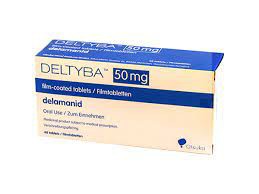
In terms of chemical properties and pharmacological mechanisms, delamanid and putomanid are both nitroimidazole drugs, and their principles of action involve the inhibition of the synthesis of key components of the cell wall of Mycobacterium tuberculosis. However, their specific targets of action differ. Delamani mainly works by inhibiting methoxyergosterol synthesis in mycobacterial cell walls, leading to pathogen cell wall defects and ultimately inhibiting their growth. In addition to affecting cell wall synthesis, putomanid can also release active substances under hypoxic conditions and produce a bactericidal effect, which allows it to remain active under tuberculosis latent and hypoxic conditions. This feature is particularly important for the treatment of complex drug-resistant cases, because areas of hypoxic necrosis often exist in patients, and traditional drugs are difficult to work in such environments.
In terms of indications, delamanid is mainly used for adult patients with multi-drug-resistant tuberculosis. It is often used as part of a combination regimen with other anti-tuberculosis drugs to improve the success rate of treatment and prevent the further spread of drug resistance. The application of putomanid is more strict. Currently, it is mostly used in a fixed three-drug regimen with bedaquiline and linezolid for short-course therapy in cases of highly drug-resistant or even extensively drug-resistant tuberculosis. In contrast, delamanid is applicable to a wider population and covers more common types of drug-resistant tuberculosis, while putomanid focuses on high-risk, complex patients who have failed treatment.
There are also differences between the two in terms of adverse reactions and safety. The most common safety concern with delamanid is EKGQT interval prolongation requires regular cardiac monitoring during treatment. The adverse reactions of putomanib are mainly concentrated in gastrointestinal symptoms, liver function abnormalities and hematological changes. When used in combination with linezolid, special attention should be paid to side effects such as bone marrow suppression. Therefore, the risk monitoring points of the two are different, and clinicians will make selections and adjustments based on the patient's underlying disease and tolerance in actual use.
Reference: https://go.drugbank.com/drugs/DB11637
[ 免责声明 ] 本页面内容来自公开渠道(如FDA官网、Drugs官网、原研药厂官网等),仅供持有医疗专业资质的人员用于医学药学研究参考,不构成任何治疗建议或药品推荐。所涉药品可能未在中国大陆获批上市,不适用于中国境内销售和使用。如需治疗,请咨询正规医疗机构。本站不提供药品销售或代购服务。


