.jpeg)
Pralsetinib and Hypertension in NSCLC: Risks, Monitoring and Management
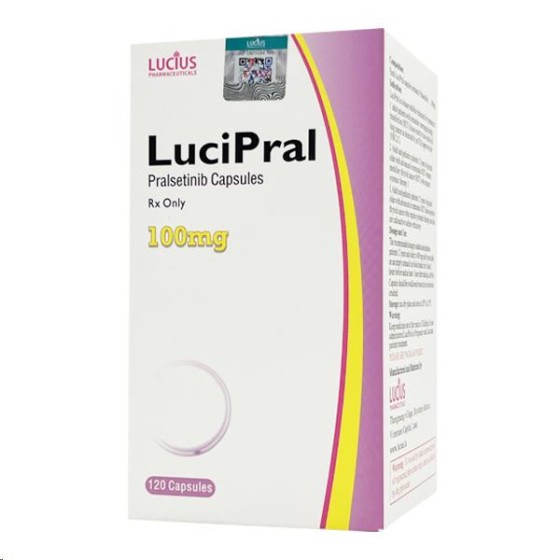
Pralsetinib is used for the treatment of non-small cell lung cancer(NSCLC).Hypertension is a common adverse reaction,with an incidence of around 20%.Most cases are grade 1–2 mild-to-moderate elevations that can be controlled through home monitoring and conventional antihypertensive drugs.If grade 3 or higher hypertension or hypertensive crisis occurs,treatment should be interrupted and the dose reduced upon resumption.This article discusses pralsetinib-associated hypertension.The approved indications and all clinical decisions must follow the prescribing information and the assessment of the treating physician.
Blood pressure elevation usually appears within the first two months of therapy and most often emerges within the first 8 weeks,after which it tends to stabilize;however,ongoing monitoring remains necessary.Patients with a prior history of hypertension carry higher risk,so blood pressure should be well controlled before starting pralsetinib.Straining during bowel movements due to constipation can cause abrupt blood pressure spikes,an easily overlooked trigger.During treatment,complete blood counts and liver function tests are recommended every 2–4 weeks to detect and manage abnormalities promptly.
The main concern with persistent severe hypertension is the increased risk of intracerebral hemorrhage,heart failure and kidney injury,yet most cases can be well managed with regular monitoring and appropriate medication.The real danger lies in sustained,unrecognized blood pressure elevation rather than an isolated high reading.A single elevated measurement is not an emergency;immediate medical attention is needed only when sustained elevation is accompanied by headache,blurred vision or chest pain.Rest for five minutes before measurement and avoid testing soon after exercise or caffeine intake to prevent false readings.Inform your doctor of all concomitant medications to avoid drugs that may raise blood pressure.
For home monitoring,use an upper-arm electronic sphygmomanometer.Rest for five minutes before measuring,take two consecutive readings and record the average.Report to your doctor if systolic blood pressure reaches 140 mmHg or higher,or diastolic blood pressure reaches 90 mmHg or higher.A low-sodium diet,weight control and regular sleep are as beneficial for blood pressure control as some antihypertensive agents.Seek emergency care if elevated blood pressure is accompanied by headache or blurred vision.
Antihypertensive options include ACE inhibitors,calcium channel blockers and diuretics,selected by the physician based on comorbidities.Do not self-administer cold medicines containing ephedrine,as they may further raise blood pressure.Drug interactions should be considered when choosing antihypertensives,and agents that may prolong the QT interval are best avoided.Long-term follow-up should include periodic assessment of renal function and electrolytes,especially for patients using diuretics.Have a pharmacist review any newly added medication for potential interactions.
Pralsetinib should be interrupted and the dose adjusted if systolic blood pressure persistently exceeds 160 mmHg,blood pressure becomes difficult to control,or symptoms such as headache,blurred vision,chest pain or signs of target-organ damage appear.The general blood pressure target is below 140/90 mmHg,with the exact goal individualized by the physician.
Other pralsetinib-related adverse reactions include constipation,fatigue and elevated liver enzymes.Straining due to constipation can worsen blood pressure fluctuations,so maintaining regular bowel movements with laxatives when needed is important.The drug should be taken on an empty stomach,as taking it with food reduces absorption and complicates efficacy assessment.
Lifestyle measures form the foundation of blood pressure management:reduce salt intake,maintain a healthy weight,keep a regular schedule and engage in moderate activity.Limit strong tea,coffee and alcohol;smoking cessation is especially important for patients with underlying lung disease.Blood pressure logs should include the date,time and arm used for each measurement to help track trends.
During long-term follow-up,blood pressure,renal function and electrolytes should be reviewed every three months to evaluate whether the antihypertensive regimen remains appropriate.Patients requiring long-term combination antihypertensive therapy should coordinate closely with their oncology team to avoid drug interactions.If symptoms suggestive of interstitial lung disease develop,pralsetinib should be discontinued and a high-resolution CT scan obtained for confirmation.
[ 免责声明 ] 本页面内容来自公开渠道(如FDA官网、Drugs官网、原研药厂官网等),仅供持有医疗专业资质的人员用于医学药学研究参考,不构成任何治疗建议或药品推荐。所涉药品可能未在中国大陆获批上市,不适用于中国境内销售和使用。如需治疗,请咨询正规医疗机构。本站不提供药品销售或代购服务。