.jpeg)
Asciminib: Mechanism and Clinical Value of the First ABL Allosteric Inhibitor
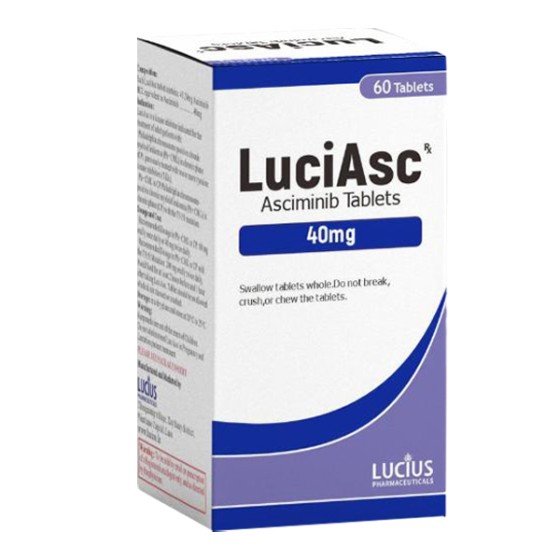
Asciminib stands as the world’s first approved ABL allosteric inhibitor, pioneering a novel approach by targeting the ABL protein’s myristoyl pocket (Myristoyl pocket), fundamentally transforming the therapeutic paradigm of traditional tyrosine kinase inhibitors (TKIs). Its core mechanism—STAMP (Specifically Targeting the ABL Myristoyl Pocket)—induces protein conformational inactivation without competing for the ATP-binding site, effectively overcoming common resistance mutations and offering a groundbreaking treatment pathway for chronic myeloid leukemia (CML) patients who have failed multiple prior lines of therapy.
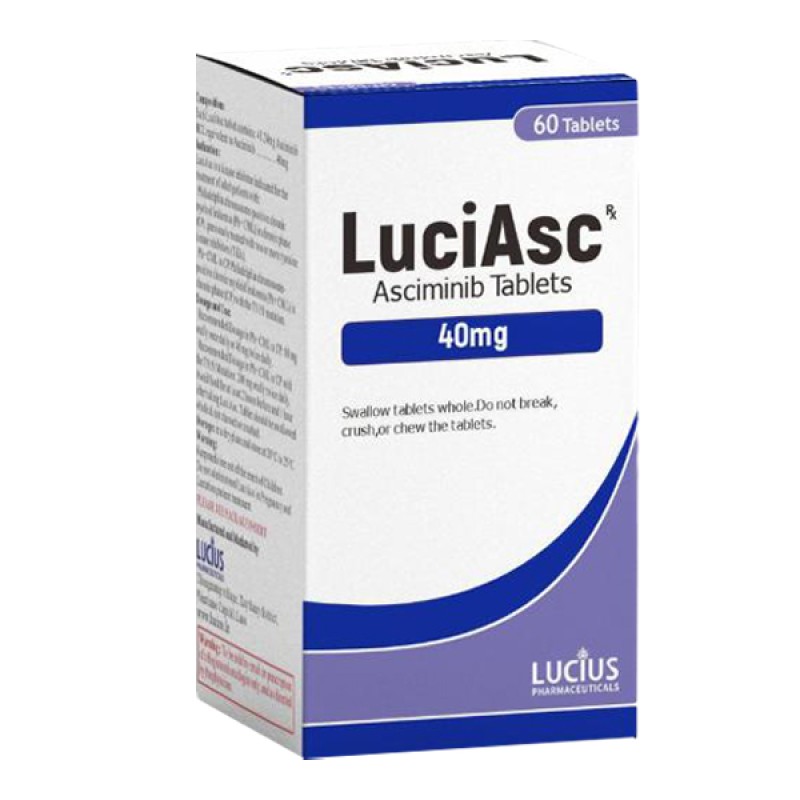
Clinically, asciminib hydrochloride (brand name: Asnib) leverages its optimized salt form to enhance stability and oral bioavailability, ensuring consistent long-term efficacy in chronic-phase CML management. Pharmacokinetic studies confirm its metabolism via the CYP enzyme system, necessitating caution with strong CYP inhibitors/inducers, though routine blood concentration monitoring is unnecessary. As a landmark innovation in CML treatment, asciminib transcends the limitations of the "ATP-competitive" era by enabling precise protein-level modulation, diversifying therapeutic strategies and significantly improving patient outcomes and long-term survival.
In summary, asciminib ushers in a new era of precision CML therapy through allosteric inhibition, providing a high-safety alternative for resistant patients and representing one of the most transformative advances in hematologic oncology.
[ 免责声明 ] 本页面内容来自公开渠道(如FDA官网、Drugs官网、原研药厂官网等),仅供持有医疗专业资质的人员用于医学药学研究参考,不构成任何治疗建议或药品推荐。所涉药品可能未在中国大陆获批上市,不适用于中国境内销售和使用。如需治疗,请咨询正规医疗机构。本站不提供药品销售或代购服务。