.jpeg)
Avatrombopag vs Hetrombopag: Full Comparison of TPO Receptor Agonists for Thrombocytopenia
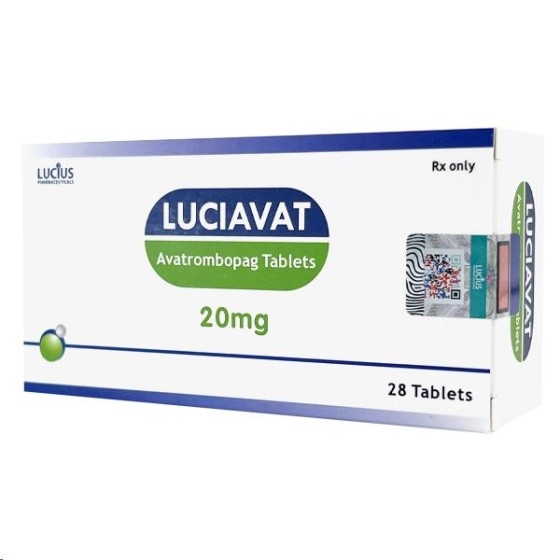
In the systemic management of thrombocytopenia,Avatrombopag(brand name Doptelet)and Hetrombopag are both oral small-molecule thrombopoietin(TPO)receptor agonists.With convenient oral administration and well-defined platelet-elevating efficacy,they have become core alternatives to traditional platelet transfusion therapy.While the two agents share a homologous mechanism of action,they have significant differences in research and development background,molecular structure,global indication landscape,clinical application positioning,and dosing regimens.As oral platelet-elevating agents gain global popularity,their differentiated features have become a key focus for clinical decision-making and patient treatment selection.
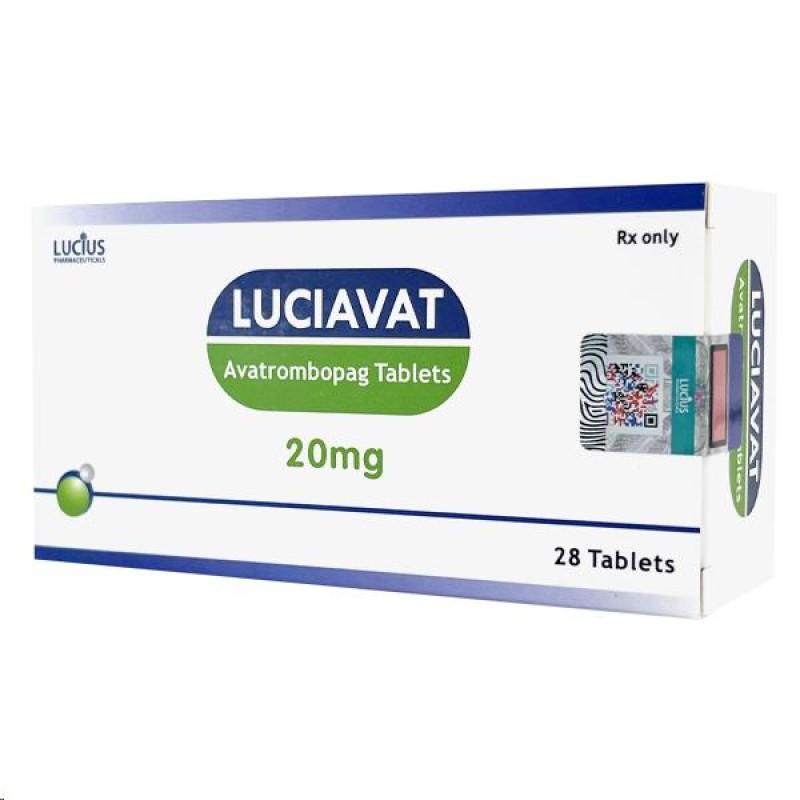
The two agents share an identical core mechanism of action:both selectively bind to and activate the TPO receptor c-Mpl,stimulating the proliferation,differentiation,and maturation of bone marrow megakaryocytes to increase platelet production at the source,thereby raising peripheral platelet counts and reducing bleeding risk in patients.However,they belong to different chemical classes of small-molecule drugs,with fundamental differences in molecular structure.These structural variances directly affect their binding sites and affinity to the TPO receptor,as well as their in vivo metabolic pathways and drug-drug interaction profiles,laying the pharmacological foundation for their differentiated clinical applications.
There is a clear global divergence in their R&D background and indication coverage.Avatrombopag was originally developed by Dova Pharmaceuticals,with subsequent global commercialization led by Swedish Orphan Biovitrum(Sobi).It is currently approved and marketed in multiple major pharmaceutical markets worldwide,including Europe,North America,and the Asia-Pacific region,with two core approved indications:first,chronic liver disease-associated thrombocytopenia(CLD-T)in adult patients scheduled to undergo an invasive procedure,to reduce the need for perioperative platelet transfusion;second,chronic immune thrombocytopenia(ITP)in adult patients with an inadequate response to prior treatments,to achieve long-term stable control of platelet levels.Hetrombopag is developed by a local pharmaceutical enterprise,currently approved and marketed in select Asia-Pacific regions,with a core approved indication for primary immune thrombocytopenia(ITP).Its global indication expansion and commercialization in other regions are still ongoing,with relatively limited international clinical application.
Based on their approved indications and accumulated clinical evidence,the two agents have formed clear positioning in clinical practice.Avatrombopag is supported by extensive global multicenter clinical data for perioperative use in chronic liver disease,with a clinical focus on short-term,targeted platelet elevation.Standard preoperative dosing rapidly increases platelet counts,reduces perioperative platelet transfusion requirements,and lowers the risk of bleeding-related complications,giving it more extensive global clinical experience in the perioperative management of liver disease-associated thrombocytopenia.In contrast,the clinical evidence and application experience of Hetrombopag are more concentrated on the long-term chronic disease management of immune thrombocytopenia,with a clinical positioning focused on sustained,long-term stable control of platelet levels,helping patients with ITP maintain a safe platelet range,reduce bleeding episodes,and improve long-term quality of life.
Both agents are oral formulations,eliminating the need for in-hospital infusion and offering inherent advantages in treatment adherence for home-based patient care.However,they have distinct pharmacokinetic profiles that directly impact clinical dosing strategies and administration flexibility.Avatrombopag has a stable in vivo metabolic profile,with oral absorption minimally affected by food,concomitant medications such as acid suppressants,and other factors.It offers a flexible dosing window with no strict food restrictions,a clear dose titration pathway,and lower interindividual variability in plasma concentrations,making its efficacy stability more predictable.In comparison,the oral absorption and in vivo metabolism of Hetrombopag are more susceptible to multiple factors,including food,polyvalent cation-containing medications,and acid-suppressive agents.Clinical administration requires stricter dosing conditions,and more cautious dose adjustment in patients with multiple concomitant medications to ensure consistent efficacy.
In terms of core therapeutic endpoints,both agents effectively and sustainably increase peripheral platelet counts,with no absolute superiority in overall platelet-elevating efficacy.Clinical response rates are largely determined by the appropriateness of indication matching and individual patient characteristics.Onset of action is similar for both agents,with a gradual platelet-elevating effect:an increase in platelet count is typically observed within days of administration,with time to peak effect varying by individual.Neither agent has an immediate bolus platelet-elevating effect,making them more suitable for planned platelet elevation interventions.For safety,as TPO receptor agonists of the same class,the two agents share similar core safety risks.Clinical practice requires close monitoring for the potential risk of thromboembolic events,especially when platelet counts rise rapidly and exceed the target range,requiring timely dose adjustment.Meanwhile,dynamic monitoring of liver function parameters is a core management requirement during treatment with both agents,especially in patients with underlying chronic liver disease,who require regular liver function assessment to ensure treatment safety.
Differences in their global commercialization directly determine regional accessibility and clinical prescribing preferences.Avatrombopag is approved and commercialized in all major global pharmaceutical markets,with high-level guideline recommendations,robust global clinical evidence,and stable accessibility across Europe,North America,and the Asia-Pacific region.It is a first-line guideline-recommended agent for chronic liver disease-associated thrombocytopenia,though it typically carries a higher price point in mature global markets.Hetrombopag has more stable supply and a more cost-competitive profile in the Asia-Pacific region,offering an additional treatment option for patients in the long-term management of immune thrombocytopenia,while its accessibility in other global regions remains in the gradual expansion phase.
With the ongoing R&D and clinical application of oral TPO receptor agonists,the management of thrombocytopenia has evolved from a single focus on"platelet count elevation"to an era of precise indication matching and refined patient stratification,with different agents forming differentiated clinical positioning based on their pharmacological properties and clinical evidence.Overall,Avatrombopag and Hetrombopag are highly homologous in core mechanism of action,with similar overall platelet-elevating efficacy and no absolute therapeutic superiority.The core of clinical selection lies in the patient's underlying disease type,treatment goals,concomitant medication status,and regional drug accessibility,with the maximum treatment benefit achieved through precise matching of indications and clinical scenarios.
[ 免责声明 ] 本页面内容来自公开渠道(如FDA官网、Drugs官网、原研药厂官网等),仅供持有医疗专业资质的人员用于医学药学研究参考,不构成任何治疗建议或药品推荐。所涉药品可能未在中国大陆获批上市,不适用于中国境内销售和使用。如需治疗,请咨询正规医疗机构。本站不提供药品销售或代购服务。