
.jpeg)
What are the main differences between Guanfacine and Clonidine?
Guanfacine and clonidine (Clonidine) both belong to the α2 adrenergic receptor agonist class of drugs. Both can act on the central nervous system and reduce sympathetic nerve activity, thereby lowering blood pressure or regulating nerve function. Although they have certain similarities in pharmacological mechanisms, there are obvious differences in clinical use, action time, adverse reaction manifestations, and applicable groups. Understanding these differences has important reference value for doctors to rationally select drugs and for patients to use drugs scientifically.
First of all, guanfacine and clonidine are not exactly the same in terms of subtle differences in drug structure and mechanism of action. Both work by stimulating α2 receptors in the brain, but guanfacine is more selective for the α2A subtype of receptors, which means it is more specific in modulating neural activity in the prefrontal cortex. The prefrontal cortex is an important area responsible for attention, emotion and executive functions, so guanfacine is more prominent in improving neuropsychiatric diseases such as attention deficit hyperactivity disorder (ADHD). On the contrary, clonidine has low receptor selectivity and may affect other subtypes in addition to α2A. Therefore, it is more effective in sedation and lowering blood pressure, but it is also more likely to cause side effects such as drowsiness and hypotension.
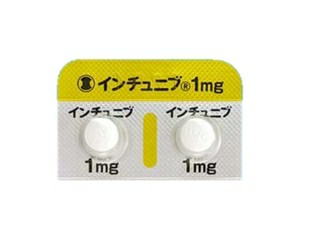
Secondly, in terms of indications, the clinical positioning of guanfacine and clonidine has been differentiated. Clonidine was mainly used to treat hypertension in the early days, and then gradually expanded to many fields such as withdrawal syndrome, anxiety, and migraine. Its rapid antihypertensive effect was once widely used, but due to many side effects, it is no longer the first-line choice in the management of hypertension. In contrast, guanfacine has relatively limited use in hypertension and is more commonly used in the treatment of ADHD in children and adolescents. Overseas, especially in the United States, the sustained-release formulation of guanfacine has been approved by the FDA as a non-stimulant drug specifically for ADHD, becoming an important alternative for some patients who are not suitable for traditional central stimulants.
Again, there are differences in pharmacokinetic characteristics between the two. Guanfacine has a relatively long half-life and can generally maintain a relatively stable blood concentration, thereby supporting once-daily dosing and high patient compliance. Clonidine has a shorter action time and needs to be taken in batches to maintain its efficacy, which increases the complexity of medication management. For this reason, guanfacine is more suitable for long-term standardized treatment, especially in neuropsychiatric diseases that require sustained and stable drug effects.
In terms of adverse reactions, although both may cause drowsiness, hypotension, and dizziness, the adverse reactions of clonidine are more obvious, especially rebound hypertension after drug withdrawal, which is a major limitation in its use. Guanfacine, on the other hand, is more selective, causes relatively mild adverse reactions, and is generally well tolerated by patients. This is especially important for children and adolescents who require long-term medication.
In terms of convenience of clinical use, guanfacine sustained-release tablets have become the standard choice for many doctors to treat ADHDWhile clonidine is more often used as an auxiliary medication. For example, clonidine can help improve sleep quality in patients with insomnia or severe impulsive behavior, but it is not the first choice in mainstream ADHD treatment options.
Reference materials:https://go.drugbank.com/drugs/DB01018
[ 免责声明 ] 本页面内容来自公开渠道(如FDA官网、Drugs官网、原研药厂官网等),仅供持有医疗专业资质的人员用于医学药学研究参考,不构成任何治疗建议或药品推荐。所涉药品可能未在中国大陆获批上市,不适用于中国境内销售和使用。如需治疗,请咨询正规医疗机构。本站不提供药品销售或代购服务。


