
.jpeg)
How to deal with the emergence of resistance to Deflazacort
Deflazacort is a glucocorticoid drug that is widely used to treat a variety of immune diseases, inflammatory diseases, and chronic diseases such as Duchenne muscular dystrophy. In clinical use, a small number of patients may develop drug resistance, that is, the efficacy of the drug gradually decreases after long-term use, and disease symptoms cannot be effectively controlled. The emergence of drug resistance does not mean that the drug is completely ineffective, but it indicates the need to adjust treatment strategies.
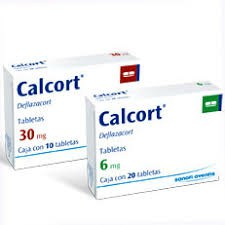
Faced withDeflazacort resistance, we first need to clarify the reasons for the resistance. Resistance may be related to factors such as differences in the patient's own metabolism of glucocorticoids, decreased receptor sensitivity caused by long-term high-dose use, or the progression of the disease itself. In this case, clinicians usually evaluate the condition, laboratory indicators, and imaging results to determine whether the drug's efficacy has truly weakened. It is impossible to accurately judge drug resistance based on subjective feelings of symptoms alone, and a comprehensive assessment needs to be carried out in conjunction with scientific test results.
There are various strategies to deal with drug resistance. Common methods include adjusting the dose or switching to pulse therapy to temporarily increase the drug concentration in the body and restore drug sensitivity; you can also consider replacing or combining other immunosuppressive or anti-inflammatory drugs to enhance the overall therapeutic effect. In addition, rational assessment of the risks and benefits of combination therapy to ensure controllable side effects is a link that cannot be ignored in the process of dealing with drug resistance.
In clinical practice, doctors will also emphasize the importance of lifestyle and auxiliary treatment for drug-resistant patients. For example, ensuring a regular schedule, a balanced diet, reasonable exercise, and regular monitoring of blood pressure, blood sugar, bone density and other indicators can help delay the progression of drug resistance and improve the long-term efficacy of Deflazacort.
In general, Deflazacort resistance is not rare, but through scientific evaluation, dose adjustment, combination therapy and life intervention, drug tolerance can be effectively managed and patients can continue to achieve disease control effects. Patients should make treatment adjustments under the guidance of a doctor and do not change the medication regimen on their own to avoid affecting the efficacy or increasing the risk of adverse reactions.
Reference: https://www.drugs.com/mtm/deflazacort.html
[ 免责声明 ] 本页面内容来自公开渠道(如FDA官网、Drugs官网、原研药厂官网等),仅供持有医疗专业资质的人员用于医学药学研究参考,不构成任何治疗建议或药品推荐。所涉药品可能未在中国大陆获批上市,不适用于中国境内销售和使用。如需治疗,请咨询正规医疗机构。本站不提供药品销售或代购服务。


