
.jpeg)
How effective is the treatment with Delamanid/Delba? clinical effect
Delamanid/Delamanid is a new anti-tuberculosis drug targeting multidrug-resistant tuberculosis (MDR-TB). Tuberculosis is caused by Mycobacterium tuberculosis infection, and treatment of drug-resistant TB has long been a global public health problem. As an innovative drug, delamanid provides a new treatment option for patients with refractory tuberculosis, and its clinical value is gradually being recognized globally.
Delamanid’s mechanism of action is unique and highly targeted. Its active ingredient can inhibit the synthesis of key components of the cell wall of Mycobacterium tuberculosis - methoxymycosic acid and ketomycosic acid. These two substances are essential elements for maintaining bacterial structure and survival. By blocking the production of these key components, delamanid effectively destroys the bacterial cell wall, causing the death of Mycobacterium tuberculosis and thus controlling the spread of infection. This mechanism is different from traditional anti-tuberculosis drugs, giving it unique advantages in the treatment of multidrug-resistant tuberculosis.
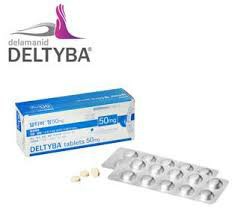
In clinical applications, delamanid is often used in combination with other anti-tuberculosis drugs to enhance efficacy and reduce the risk of drug resistance. The evaluation of its efficacy is mainly reflected by the negative conversion rate of bacteria in the patient's sputum. Multiple overseas studies have shown that delamanid can significantly increase the rate of sputum turning negative and shorten the time for patients to clear the pathogen in a combined treatment plan. Especially in patients with drug-resistant tuberculosis, long-term use of delamanid (6 months or more) can maintain a high sputum negative conversion rate, which means that the patient's risk of relapse after the end of treatment is significantly reduced, and it also reduces the possibility of disease transmission.
It is worth noting that delamanid is not only effective in adult patients, but also shows good efficacy in children. Studies in recent years have shown that patients of different ages, including infants and young children, can achieve stable etiological improvement and clinical remission after using delamanid. This makes delamanid an important option for the treatment of MDR-TB in children and adults worldwide, especially in countries with high tuberculosis burden.
In clinical practice, the use of delamani also reflects the concept of modern precision medicine. When doctors choose delamanid, they will evaluate the patient's drug resistance type, previous treatment history, and combined drug regimens to ensure maximum efficacy and reduce the risk of side effects. Generally, delamanid combined with standard anti-tuberculosis drug treatment can significantly improve the patient's quality of life, allowing the patient's physical fitness, mental state, and social activity capabilities to be better maintained during treatment.
In addition, Dramani is also important at a public health level. Drug-resistant tuberculosis is a disease that is highly contagious and difficult to treat. Traditional treatments often require long courses and poor compliance. By increasing the sputum negative conversion rate and shortening the pathogen clearance time, delamanid not only improves individual efficacy, but also helps reduce community transmission, thus having a positive impact on controlling the tuberculosis epidemic.
In general, delamanid/Delba has shown significant clinical value in the treatment of drug-resistant tuberculosis. Its unique mechanism, effectiveness in both adults and children, and the ability to increase sputum negative conversion rates in combination regimens make it an important component of modern tuberculosis treatment.
Reference: https://go.drugbank.com/drugs/DB11637
[ 免责声明 ] 本页面内容来自公开渠道(如FDA官网、Drugs官网、原研药厂官网等),仅供持有医疗专业资质的人员用于医学药学研究参考,不构成任何治疗建议或药品推荐。所涉药品可能未在中国大陆获批上市,不适用于中国境内销售和使用。如需治疗,请咨询正规医疗机构。本站不提供药品销售或代购服务。


