
.jpeg)
How long does it usually take to complete the treatment course with Abatacept (Enresu)?
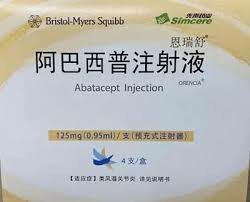
Abatacept (trade name: Orencia) is a soluble fusion protein that modulates immune responses by selectively inhibiting TT cell co-stimulatory signals and is used to treat a variety of diseases. Autoimmune diseases, such as rheumatoid arthritis (RA), juvenile idiopathic arthritis (JIA), and antibody-positive systemic lupus erythematosus. Abatacept is administered by intravenous infusion (IV) and subcutaneous injection (SC). The course and duration of treatment usually need to be adjusted based on the type of disease, severity of the disease, and individual patient response.
First, for adult patients with rheumatoid arthritis, abatacept is usually treated with initial intravenous infusion or subcutaneous injection. The intravenous dosing regimen usually carries out the first infusion at 0, 2 and 4 weeks, followed by maintenance treatment every 4 weeks thereafter. The subcutaneous injection regimen is a fixed dose once a week. Clinical trials and long-term follow-up data show that most patients can only observe significant clinical effects, including relief of arthritis symptoms, improvement in joint mobility, and slowing of radiographic progression, after receiving regular treatment for at least 6 months to 12 months. However, the actual course of treatment can be individualized based on the patient's disease activity and drug tolerance.
Second, the duration of a treatment course depends on disease activity and treatment goals. Abatacept is designed to control inflammation and slow disease progression, not to "cure" the disease once and for all. Therefore, for most patients with chronic autoimmune diseases, long-term maintenance treatment is required to maintain efficacy. Once the disease is under control and low disease activity (LDA) or clinical remission is achieved, doctors may consider extending the dosing interval or gradually adjusting the dose, but it is usually not recommended to discontinue the drug on your own to avoid recurrence or exacerbation of the disease. Long-term studies have shown that continued use of abatacept maintains joint structural protection and reduces the risk of long-term disability even in clinical remission.
Third, individualized treatment and monitoring are crucial. During the treatment process, doctors will evaluate the length of treatment and dosage plan based on the patient's weight, age, comorbidities, and previous drug reactions. For example, patients with lower body weight may receive slight adjustments in intravenous infusion doses, whereas subcutaneous doses are mostly within a fixed weight range. During the treatment process, hematological indicators, liver and kidney functions, and infection risks need to be regularly monitored to ensure long-term medication safety. In addition, patients need to pay attention to common adverse reactions such as injection site reactions and mild to moderate infections. If there are any abnormalities, they should seek medical treatment in time.
Finally, for For children and special patient groups, such as patients with juvenile idiopathic arthritis, abatacept treatment is also mainly long-term maintenance. The dosage for children is adjusted according to body weight. In the initial stage, it is usually intravenously infused once every 2 weeks or once a month, and then enters the maintenance period, which lasts from months to years. Clinical follow-up shows that regular medication can significantly improve arthritis symptoms, improve quality of life and motor function, and is well tolerated. Doctors will develop an individualized treatment plan based on growth and development, disease activity, and drug tolerance.
In general, the treatment course of abatacept usually requires at least 6 months to 12 months of regular injections to achieve clinical efficacy. The actual course of treatment should be determined based on the type of disease, severity of the condition and individual patient response. The goal of treatment is not only to relieve symptoms, but also to control disease progression and protect joint function in the long term. Long-term follow-up, regular monitoring and individualized adjustments are key to ensuring efficacy and safety. Patients should use abatacept regularly under the guidance of a doctor and never stop taking the drug or adjust the dose on their own to obtain the best long-term treatment effect.
Reference link:https://www.drugs.com
[ 免责声明 ] 本页面内容来自公开渠道(如FDA官网、Drugs官网、原研药厂官网等),仅供持有医疗专业资质的人员用于医学药学研究参考,不构成任何治疗建议或药品推荐。所涉药品可能未在中国大陆获批上市,不适用于中国境内销售和使用。如需治疗,请咨询正规医疗机构。本站不提供药品销售或代购服务。


