
.jpeg)
Scientific analysis of whether Fenelidone (Kesenda) is a kidney-protecting drug or a kidney-damaging drug
Finerenone (Finerenone) is a new type of selective mineral corticoid receptor antagonist (MRA), mainly used for renal protection in patients with chronic kidney disease (CKD) accompanied by type 2 diabetes. Its mechanism of action is by blocking mineralocorticoid receptors and inhibiting inflammatory and fibrotic signals, thereby slowing down glomerulosclerosis and the deterioration of renal function. Therefore, from a scientific mechanism point of view, fenelidone is a kidney-protecting drug rather than a kidney-damaging drug.
Clinical studies have shown that fenelidone can significantly reduce urinary protein levels and delay the decline of renal function. In large randomized controlled trials (FIDELIO-DKD and FIGARO-DKD), patients treated with fenelidone had significantly lower rates of a composite renal outcome (including decreased renal function, end-stage renal disease, and kidney-related death) than those treated with placebo. This suggests that fenelinone has an actual protective effect on the kidneys rather than exacerbating kidney damage.
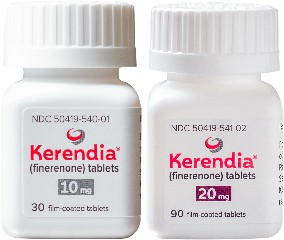
Although fenelinone has a renal protective effect, you still need to pay attention to the possible increase in blood potassium (hyperkalemia) during use. Hyperkalemia is its most common safety concern and may pose risks to cardiac function if not monitored and treated promptly. Therefore, although the drug itself is not a nephrotoxic drug, if high potassium is not managed properly, it may indirectly affect renal and cardiovascular safety. Clinically, it is recommended to regularly monitor serum potassium and renal function, adjust the dosage or take potassium control measures in a timely manner.
Taken together, fenelidone is scientifically a kidney-protecting drug. It is mainly used to delay the progression of chronic kidney disease and reduce cardiovascular risks, rather than a kidney-damaging drug. The potential risks mainly lie in drug tolerance issues in patients with hyperkalemia and some renal insufficiency. Through standardized monitoring and rational use, fenelidone can achieve effective kidney protection while ensuring safety.
Reference link:https://www.drugs.com
[ 免责声明 ] 本页面内容来自公开渠道(如FDA官网、Drugs官网、原研药厂官网等),仅供持有医疗专业资质的人员用于医学药学研究参考,不构成任何治疗建议或药品推荐。所涉药品可能未在中国大陆获批上市,不适用于中国境内销售和使用。如需治疗,请咨询正规医疗机构。本站不提供药品销售或代购服务。


