
.jpeg)
Indications and contraindications of odexibat (Beierwei) and precautions before use
1. Overview of Drugs
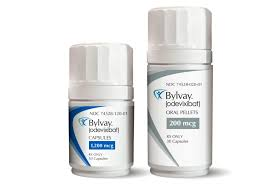
Odevixibat (trade name: Bei Erwei) is an oral small molecule drug mainly used to treat progressive cholestatic liver disease (PFIC, progressive familial intrahepatic cholestasis) in children and adults. Its mechanism of action is to selectively inhibit intestinal bile acid transporter (IBAT, ileal bile acid transporter), thereby reducing the reabsorption of bile acids from the intestines, reducing bile acid levels in the blood, alleviating patients' itching symptoms and improving liver damage.
Compared with traditional symptomatic treatment drugs, odexibat exerts its efficacy by intervening in the fundamental mechanism of bile acid circulation, significantly improving patients' quality of life. Oral dosage forms facilitate long-term management, but their use still requires strict medical monitoring and standardized guidance.
2. Indications
According to official instructions and clinical studies, the main indications for odexibat include:
1. Progressive familial intrahepatic cholestasis (PFIC)
It is suitable for children and adult patients aged 2 years and above, especially those with severe itching, elevated bile acid levels or abnormal liver function.
By inhibiting intestinal bile acid reabsorption, the serum bile acid concentration is reduced, thereby reducing pruritus and the risk of liver damage.
2. Other cholestatic liver diseases
Clinical studies are exploring its potential efficacy in other cholestatic diseases (such as infantile cholestasis, primary biliary cholangitis, etc.), but formal indications require further verification.
3. Symptom improvement
Before using odexibat, it is necessary to clarify the contraindication groups to avoid adverse reactions or reduced efficacy:
1. Those who are allergic to odexibat or excipients
If the patient has a history of allergies to drug ingredients, use should be avoided to prevent severe allergic reactions.
2. Patients with severe hepatic insufficiency
Although the drug acts on the intestine, severe liver damage may lead to abnormal drug metabolism and increase the risk of adverse reactions.
3. Special groups
There is insufficient safety data for pregnant women, lactating women, and infants and should be used with caution or under strict medical supervision.
4. Patients with comorbid diseases
Patients with severe malabsorption, chronic diarrhea, or gastrointestinal disease should be evaluated for drug absorption and safety.
4. Precautions before use
1. Assessment of liver function and blood indicators
Before starting treatment, serum bile acid, liver function (ALT, AST, total bilirubin), blood routine, and fat-soluble vitamin levels should be tested.
Patients with abnormal liver function need to decide whether to use and adjust the dose under the guidance of a professional doctor.
2.Drug history and concomitant medications
Patients should inform their doctors about all drugs, health products and nutritional supplements they are using to avoid drug interactions that may affect efficacy.
Pay special attention to the supplementation and absorption of fat-soluble vitamins (A, D, E, K).
3. Nutritional status and vitamin monitoring
Because odexibat may affect the absorption of fat-soluble vitamins, patients on long-term treatment need to regularly monitor vitamin levels and supplement when necessary to prevent bone, vision, or coagulation abnormalities.
4. Lifestyle and daily management
Patients are advised to maintain a regular schedule, a balanced diet and moderate exercise.
Avoid overeating and high-fat meals to reduce gastrointestinal discomfort and optimize medication effectiveness.
5. Psychological preparation and follow-up plan
Due to the long treatment period, patients and their families need to be mentally prepared and establish good follow-up and monitoring habits.
Regular follow-up of liver function, bile acid levels and adverse reactions is required to ensure medication safety and controllable efficacy.
5. Summary
Odevixibat, as a targeted treatment drug for cholestatic liver disease, improves itching symptoms and liver damage by inhibiting intestinal bile acid reabsorption, and significantly improves patients' quality of life. Before use, indications, contraindications, and key indicators such as the patient's liver function and nutritional status must be clarified. Through standardized evaluation and monitoring, combined with reasonable lifestyle and nutritional support, odexibat can exert the best efficacy while ensuring safety, and provide patients with an effective plan for long-term improvement of cholestasis symptoms.
Reference link: https://www.drugs.com
Odevixibat (trade name: Bei Erwei) is an oral small molecule drug mainly used to treat progressive cholestatic liver disease (PFIC, progressive familial intrahepatic cholestasis) in children and adults. Its mechanism of action is to selectively inhibit intestinal bile acid transporter (IBAT, ileal bile acid transporter), thereby reducing the reabsorption of bile acids from the intestines, reducing bile acid levels in the blood, alleviating patients' itching symptoms and improving liver damage.
Compared with traditional symptomatic treatment drugs, odexibat exerts its efficacy by intervening in the fundamental mechanism of bile acid circulation, significantly improving patients' quality of life. Oral dosage forms facilitate long-term management, but their use still requires strict medical monitoring and standardized guidance.
2. Indications
According to official instructions and clinical studies, the main indications for odexibat include:
1. Progressive familial intrahepatic cholestasis (PFIC)
It is suitable for children and adult patients aged 2 years and above, especially those with severe itching, elevated bile acid levels or abnormal liver function.
By inhibiting intestinal bile acid reabsorption, the serum bile acid concentration is reduced, thereby reducing pruritus and the risk of liver damage.
2. Other cholestatic liver diseases
Clinical studies are exploring its potential efficacy in other cholestatic diseases (such as infantile cholestasis, primary biliary cholangitis, etc.), but formal indications require further verification.
3. Symptom improvement
In addition to improving hematological indicators, odexibat can significantly relieve itching caused by bile acid accumulation and improve patients' sleep quality and life experience.
Before using odexibat, it is necessary to clarify the contraindication groups to avoid adverse reactions or reduced efficacy:
1. Those who are allergic to odexibat or excipients
If the patient has a history of allergies to drug ingredients, use should be avoided to prevent severe allergic reactions.
2. Patients with severe hepatic insufficiency
Although the drug acts on the intestine, severe liver damage may lead to abnormal drug metabolism and increase the risk of adverse reactions.
3. Special groups
There is insufficient safety data for pregnant women, lactating women, and infants and should be used with caution or under strict medical supervision.
4. Patients with comorbid diseases
Patients with severe malabsorption, chronic diarrhea, or gastrointestinal disease should be evaluated for drug absorption and safety.
4. Precautions before use
1. Assessment of liver function and blood indicators
Before starting treatment, serum bile acid, liver function (ALT, AST, total bilirubin), blood routine, and fat-soluble vitamin levels should be tested.
Patients with abnormal liver function need to decide whether to use and adjust the dose under the guidance of a professional doctor.
2.Drug history and concomitant medications
Patients should inform their doctors about all drugs, health products and nutritional supplements they are using to avoid drug interactions that may affect efficacy.
Pay special attention to the supplementation and absorption of fat-soluble vitamins (A, D, E, K).
3. Nutritional status and vitamin monitoring
Because odexibat may affect the absorption of fat-soluble vitamins, patients on long-term treatment need to regularly monitor vitamin levels and supplement when necessary to prevent bone, vision, or coagulation abnormalities.
4. Lifestyle and daily management
Patients are advised to maintain a regular schedule, a balanced diet and moderate exercise.
Avoid overeating and high-fat meals to reduce gastrointestinal discomfort and optimize medication effectiveness.
5. Psychological preparation and follow-up plan
Due to the long treatment period, patients and their families need to be mentally prepared and establish good follow-up and monitoring habits.
Regular follow-up of liver function, bile acid levels and adverse reactions is required to ensure medication safety and controllable efficacy.
5. Summary
Odevixibat, as a targeted treatment drug for cholestatic liver disease, improves itching symptoms and liver damage by inhibiting intestinal bile acid reabsorption, and significantly improves patients' quality of life. Before use, indications, contraindications, and key indicators such as the patient's liver function and nutritional status must be clarified. Through standardized evaluation and monitoring, combined with reasonable lifestyle and nutritional support, odexibat can exert the best efficacy while ensuring safety, and provide patients with an effective plan for long-term improvement of cholestasis symptoms.
Reference link: https://www.drugs.com
[ 免责声明 ] 本页面内容来自公开渠道(如FDA官网、Drugs官网、原研药厂官网等),仅供持有医疗专业资质的人员用于医学药学研究参考,不构成任何治疗建议或药品推荐。所涉药品可能未在中国大陆获批上市,不适用于中国境内销售和使用。如需治疗,请咨询正规医疗机构。本站不提供药品销售或代购服务。


