
.jpeg)
Analysis of the key contents and medication guide of vorasidenib-VORANIGO instructions
1. Overview of Drugs
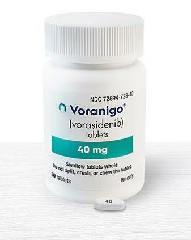
Vorasidenib (VORANIGO) is an oral small molecule selective IDH1/2 inhibitor, mainly used to treat patients with relapsed or refractory brain tumors associated with IDH1 or IDH2 mutations. IDH1/2Gene mutations can lead to abnormal accumulation of 2-hydroxyglutarate (2-HG), thereby promoting tumor cell proliferation and inhibiting differentiation. Vorsidenib inhibits the activity of IDH1/2 mutant enzyme, reduces 2-HG levels, restores tumor cell differentiation, and thereby inhibits tumor growth.
As a targeted therapy drug, voroxiranib is more selective and precise than traditional chemotherapy. It causes less damage to normal cells and is therefore better tolerated. In clinical practice, vorsidenib has shown potential efficacy in IDH mutation-positive gliomas and other recurrent brain tumors, providing a new treatment option for these patients.
2. Indications and contraindications
1.According to the instructions, voxiranib is suitable for:
Patients with relapsed or refractory brain tumors positive for IDH1 or IDH2 mutations.
Adult patients, especially those who have failed to respond to standard treatments or cannot tolerate traditional chemotherapy.
2.Taboo groups include:
Patients who are allergic to vorsidenib or drug excipients.
People with severe hepatic or renal impairment should use with caution.
Pregnant and nursing women should avoid use due to lack of safety data.
In addition, the safety in pediatric patients has not been fully studied, so the use of vorsidenib in minor patients requires strict medical supervision.
3. Dosage and usage
Vorsidenib is taken as an oral tablet, usually taken once daily as directed by your doctor. Specific medication guidelines are as follows:
1.Starting dose: Doctors will choose an appropriate dose based on the patient's weight, liver and kidney function, and tumor conditions. In clinical studies, the safety of standard starting doses has been verified through multi-center trials.
2.Dose adjustment: Liver function, blood routine and drug tolerance need to be monitored regularly during treatment. If serious adverse reactions occur, dose reduction or temporary discontinuation of the drug may be considered.
3. Medication time: It is recommended to take it orally at a fixed time every day. It can be taken with meals or on an empty stomach, but it needs to be taken at the same time every day to maintain stable blood concentration.
4.Handling of missed doses: If you miss a dose, you should take it as soon as possible. However, if it is close to the next dose time, skip the missed dose and continue taking the medicine as originally planned to avoid taking a double dose at one time.
4. Monitoring and precautions during medication
Although Vorsidenib is highly selective, you still need to pay attention to the following matters during use:
1.Liver function monitoring
Voxirinib can cause an increase in liver enzymes, so liver function indicators such as ALT, AST, total bilirubin and other liver function indicators need to be tested regularly at the beginning of treatment and during the course of treatment. If obvious abnormalities occur, the medication needs to be suspended or the dosage adjusted.
2.Hematology monitoring
Patients may experience a decrease in platelet or white blood cell count during treatment and should regularly monitor blood routine to prevent the risk of infection or bleeding. In case of serious abnormalities, the dose should be suspended or adjusted.
3.Drug interactions
Vorsidenib is mainly metabolized by the liverCYP3A4, and combined use of strong CYP3A4 inhibitors or inducers may affect plasma concentrations. Patients should inform their doctors about all prescription drugs, over-the-counter drugs and health care products to avoid drug interactions that may affect efficacy or increase adverse reactions.
4.Common adverse reactions and responses
In clinical studies, common adverse reactions of vorsidenib include fatigue, nausea, vomiting, decreased appetite, headache and abnormal liver function. Mild symptoms can be relieved by rest and dietary adjustments; severe or persistent symptoms should be contacted by a doctor in time.
5. Special groups and lifestyle suggestions
1.Pregnant and lactating women
Vorsidenib may have potential risks to the fetus and should be avoided by pregnant and lactating women. If you become pregnant unexpectedly during use, inform your doctor immediately.
2.Patients with abnormal liver and kidney function
For patients with moderately or severely impaired liver or kidney function, it should be used under the guidance of a professional doctor, and monitoring of blood drug concentration and liver and kidney function should be strengthened.
3.Lifestyle coordination
Patients should maintain a regular schedule, eat properly, and avoid strenuous exercise or overexertion. Through good living habits, drug tolerance can be improved and the drug can achieve the best effect.
6. Summary
Voroxanib (VORANIGO), as a targeted therapy for IDH1/2 mutated brain tumors, has high selectivity and precise efficacy. The official instructions emphasize individualized dosage, regular monitoring of liver function and blood indicators, attention to drug interactions, and timely handling of adverse reactions. Patients should strictly follow the doctor's instructions during medication, regularly review liver function and blood routine, and establish good living and medication habits to ensure efficacy and safety. Through scientific management and standardized medication, vorsidenib can provide stable therapeutic effects for patients with IDH mutation-positive brain tumors, delay disease progression and improve quality of life.
Reference link:https://www.drugs.com
[ 免责声明 ] 本页面内容来自公开渠道(如FDA官网、Drugs官网、原研药厂官网等),仅供持有医疗专业资质的人员用于医学药学研究参考,不构成任何治疗建议或药品推荐。所涉药品可能未在中国大陆获批上市,不适用于中国境内销售和使用。如需治疗,请咨询正规医疗机构。本站不提供药品销售或代购服务。


