
.jpeg)
Analysis of the differences and advantages of fenelidone (Keshenda) and spironolactone
Finerenone (Finerenone) and spironolactone (Spironolactone) are both mineralocorticoid receptor antagonists (MRA), but they have obvious differences in structure, mechanism of action, indications and safety. Spironolactone is a classic steroid structureMRA. It has a long history of application and is commonly used in the treatment of heart failure, cirrhosis, ascites, and hypertension. Nellidone is a new generation of non-steroidal MRA, which is a more selective drug and is mainly targeted at cardiorenal protection in patients with chronic kidney disease combined with type 2 diabetes (CKD+T2DM).
From the perspective of its mechanism of action, spironolactone's binding to mineralocorticoid receptors is not selective enough and may affect other receptors such as androgens and progesterone, leading to endocrine side effects such as breast hyperplasia, sexual dysfunction, and menstrual disorders. Since nonelidone has a non-steroidal structure, it is more selective and has a stronger inhibitory effect on heart and kidney fibrosis and inflammation. It also avoids excessive interference with sex hormone receptors, so it has fewer side effects and is more suitable for patients with metabolic chronic diseases who require long-term treatment.
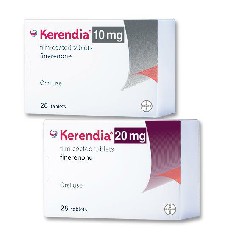
In terms of indications and advantages, spironolactone is mainly used to control refractory hypertension, relieve symptoms of heart failure, and remove edema through diuresis. It is widely used clinically and is low-priced. Fenelidone has been proven in clinical studies (such as the FIDELIO-DKD and FIGARO-DKD trials) to significantly reduce the risk of renal function deterioration in patients with chronic kidney disease and diabetes and reduce the incidence of adverse cardiovascular events. This gives fenelidone a unique advantage in dual protection of the heart and kidneys and is an important supplement to traditional MRA.
In general, the advantages of spironolactone are low price, strong diuretic effect, and widespread benefit to patients with heart failure and hypertension, but it has relatively many side effects. The advantages of fenelidone include strong targeting, few side effects, and definite cardio-renal protection effect. It is especially suitable for patients with diabetes and kidney disease. The two are not simply substitutes in clinical practice, but are selected based on the patient's basic disease, economic status and tolerance to achieve individualized treatment.
Reference link:https://www.drugs.com
[ 免责声明 ] 本页面内容来自公开渠道(如FDA官网、Drugs官网、原研药厂官网等),仅供持有医疗专业资质的人员用于医学药学研究参考,不构成任何治疗建议或药品推荐。所涉药品可能未在中国大陆获批上市,不适用于中国境内销售和使用。如需治疗,请咨询正规医疗机构。本站不提供药品销售或代购服务。


