
.jpeg)
Key contents of the instruction manual for Tilpotide/Mufenda
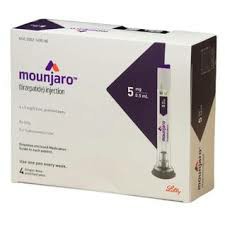
Tirzepatide is a new type of drug with brand names including Mounjaro and Zepbound, which is widely used for weight management and diabetes treatment. The main mechanism of action of this drug is as a GIP (glucose-dependent insulin secretory peptide) and GLP-1 (glucagon-like peptide-1) receptor agonist. Its unique structure and mode of action enable it to show good efficacy in clinical applications.
1. Indications
The indications for tilpotide mainly include patients with type 2 diabetes, obesity and overweight. Specifically, tilpotide, marketed as Mounjaro, is indicated for use in people with a body mass index (BMI) of 30 kg/m² or higher, and also in patients with a BMI of 27 kg/m² or higher and at least one weight-related comorbidity, such as hypertension, dyslipidemia, type 2 diabetes, obstructive sleep apnea or cardiovascular disease. Zepbound, on the other hand, is viewed as an adjunctive drug that can help improve blood sugar control in patients with type 2 diabetes.
2. Use restrictions
There are some important limitations to be aware of when using tilpotide. First, this drug is not suitable for people with type 1 diabetes. Second, formulations of tilpotide should not be co-administered with other products containing the same ingredients or with any GLP-1 receptor agonist because the safety of their combined use has not been established. In addition, the effectiveness of tilpotide in combination with other medications used for weight management (whether prescription, over-the-counter, or herbal preparations) has not been well established, particularly in patients with a history of pancreatitis.
3. Usage and dosage
Tilpotide is mainly administered by subcutaneous injection, and the recommended starting dose is 2.5 mg once a week. Patients should use this dose as initial therapy during the first four weeks of treatment and not for glycemic control or chronic weight management. Thereafter, the dose can be increased to 5 mg per week, and if further glycemic control is required, patients can adjust the current dose in 2.5 mg increments for four weeks, up to a maximum dose of 15 mg per week. If a dose is missed, the patient should take it as soon as possible within four days after the missed dose. If this time is exceeded, the missed dose must be skipped and the next dose should be administered as planned.
4. Adverse reactions
Patients may experience some adverse reactions while taking tilpotide. Common symptoms include nausea, diarrhea, vomiting, constipation, and indigestion. In addition, patients may also experience injection site reactions, fatigue, allergic reactions, hiccups, dizziness, etc. Of note, individual patients may experience more serious side effects, such as hypersensitivity reactions and angioedema.
5. Storage requirements
Tilpotide needs to be stored properly to maintain its effectiveness. Ideal storage conditions are to place it in a refrigerator at 2°C to 8°C, away from light. Unopened medicines should be stored in their original packaging. Once opened, each single-dose pen or vial can be stored at a temperature not exceeding 30°C for up to 21 days.
6. Special groups and contraception
Certain special groups are not suitable for use with tilpotide, especially patients with a family history of medullary thyroid carcinoma (MTC) or multiple endocrine neoplasia syndrome type 2 (MEN 2). Additionally, patients with a known severe allergic reaction to this drug or its adjunctive ingredients should avoid use. In terms of contraception, since tilpotide may affect gastric emptying rate, it may reduce the effectiveness of oral hormonal contraceptives, and it is recommended that such patients consider other contraceptive methods.
7. Mechanism of action
Tilpotide is unique in that it acts as a dual agonist at GIP and GLP-1 receptors. GIP and GLP-1 play important physiological roles in appetite regulation and energy intake. Tilpotide effectively promotes insulin secretion and reduces glucagon levels, thereby helping to control blood sugar levels and promote weight management. Studies have shown that tilpotide can enhance first- and second-phase insulin secretion, further improving its effectiveness in diabetes management.
In summary, tilpotide is a promising drug that has demonstrated promising efficacy in weight management and diabetes treatment. However, patients should be under the guidance of a doctor when using it to ensure its safety and effectiveness.
Reference materials:https://www.drugs.com/tirzepatide.html
[ 免责声明 ] 本页面内容来自公开渠道(如FDA官网、Drugs官网、原研药厂官网等),仅供持有医疗专业资质的人员用于医学药学研究参考,不构成任何治疗建议或药品推荐。所涉药品可能未在中国大陆获批上市,不适用于中国境内销售和使用。如需治疗,请咨询正规医疗机构。本站不提供药品销售或代购服务。


