
.jpeg)
Analysis of the clinical effect and efficacy of larotrectinib (Vitaika) in the treatment of liver cancer
Larotrectinib is a highly selective and targeted TRK fusion inhibitor. Its main mechanism of action is to block the signaling pathway driven by NTRK gene fusion, thereby inhibiting the growth and spread of tumor cells. Although the initial indications focused on patients with solid tumors carrying NTRK fusions, including multiple types of cancers in children and adults, with the deepening of clinical research, some studies have begun to explore its application in patients with hepatocellular carcinoma (HCC), especially those cases where NTRK fusions are clearly present.
In clinical trials and case reports, larotrectinib has shown positive efficacy in patients with liver cancer carrying NTRK fusion. Studies have shown that such patients can achieve a high objective response rate (ORR) after receiving larotrectinib treatment. Some patients' tumors have significantly shrunk, and even achieved partial response (PR) or complete response (CR). Compared with traditional chemotherapy or targeted drugs, larotrectinib is more effective in this molecular type of population and provides a new option for precision treatment for patients with advanced liver cancer.
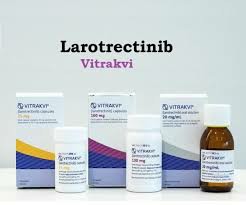
In terms of safety, larotrectinib is well tolerated. Common adverse reactions include mild to moderate fatigue, gastrointestinal discomfort, elevated transaminases, etc. Most adverse events are grade 1-2 and can be alleviated through dose adjustment or symptomatic treatment. For patients with liver cancer, due to insufficient liver function reserve, liver toxicity needs to be paid attention to when using any targeted drugs. Clinical data show that larotrectinib does not significantly increase the risk of severe liver injury in this population, and the overall safety is within a controllable range.
In summary, larotrectinib has shown good clinical effects and a high response rate in patients with liver cancer carrying NTRK fusion, bringing new hope to some advanced patients who lack effective treatment options. In the future, with the accumulation of more NTRK fusion case data for liver cancer and the exploration of combination immunotherapy or other targeted drugs, larotrectinib is expected to further establish its position in the precision treatment of liver cancer.
Reference link:https://www.drugs.com
[ 免责声明 ] 本页面内容来自公开渠道(如FDA官网、Drugs官网、原研药厂官网等),仅供持有医疗专业资质的人员用于医学药学研究参考,不构成任何治疗建议或药品推荐。所涉药品可能未在中国大陆获批上市,不适用于中国境内销售和使用。如需治疗,请咨询正规医疗机构。本站不提供药品销售或代购服务。


