
.jpeg)
Key contents and precautions in the official instructions of Fidaxomicin
1. Drug Overview and Mechanism of Action
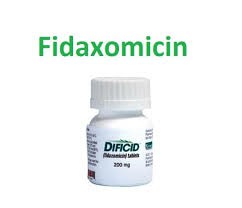
Fidaxomicin is an oral macrolide antibiotic mainly used to treat Clostridioides difficile infection (CDI), especially for patients with mild to moderate to severe recurrent CDI. Fidaxomicin inhibits bacterial RNA polymerase and blocks bacterial RNA synthesis, thereby specifically killing Clostridium difficile without affecting the normal balance of other intestinal flora. Its strong targeting and significant local effect make it more advantageous than other broad-spectrum antibiotics in reducing recurrence rates.
2. Indications and dosage
According to the official instructions, fidaxomicin is suitable for:
Adults and children (≥6 years old) Clostridium difficile infection, including initial infection and recurrent infection;
Patients with high risk of recurrence, such as the elderly, long-term hospitalized patients and those with low immune function.
The recommended dose is Adults take 200mg twice daily, and the course of treatment is usually 10 days. The dosage for children needs to be adjusted according to body weight. Please follow your doctor's advice for details. The tablets should be swallowed whole and can be taken with food or on an empty stomach. However, the medication must be taken on time every day to maintain intestinal drug concentration. During the treatment process, arbitrary increase or decrease in dosage should be avoided to prevent affecting the efficacy or increasing the risk of drug resistance.
3. Precautions for use
1.Drug interactions: Fidaxomicin is rarely absorbed orally and has little impact on liver metabolism. However, attention should still be paid to the interaction of other intestinal local antibiotics used at the same time. Avoid concurrent use with drugs that may affect intestinal flora to avoid reducing efficacy.
2. Effects on liver and kidney function: Fidaxomicin mainly acts in the intestines and is excreted in trace amounts by liver metabolism. Patients with renal insufficiency do not need to adjust the dose; however, patients with severe liver function abnormalities need to use the drug with caution and regularly monitor liver function indicators.
3.Adverse reaction monitoring: Common side effects include nausea, vomiting, diarrhea, abdominal pain and mild liver enzyme elevations. Rarely, patients may experience allergic reactions such as rash or itching. If serious discomfort occurs during treatment, you should seek medical treatment promptly.
4.Relapse and drug resistance: Fidaxomicin has a low recurrence rate for Clostridium difficile, but patients still need to complete the entire course of treatment to avoid discontinuing the drug on their own. If recurrence occurs, it should be evaluated under the guidance of a doctor whether to reuse or combine it with other therapies.
4. Medication management and life guidance
1.Regular medication use: Take medications on time every day, and do not miss doses or increase or decrease the dose on your own to ensure that the intestinal drug concentration is sufficient to inhibit Clostridium difficile.
2. Diet and water: During treatment, regular diet and adequate water intake should be maintained to relieve diarrhea and gastrointestinal discomfort, while promoting drug absorption and recovery.
3. Close follow-up: For elderly patients or those with low immune function, it is recommended to follow up the condition regularly, including symptom improvement, liver function and recurrence risk assessment.
4. Living environment hygiene: Clostridium difficile infection is easy to relapse. Patients and family members need to pay attention to hand hygiene and environmental cleanliness to reduce the risk of cross-infection.
5. Comprehensive evaluation
In summary, fidaxomicin is a Oral antibiotics with strong targeting and high safety have obvious advantages in treating Clostridium difficile infection and reducing the risk of recurrence. For correct use, you need to follow the official instructions and doctor's advice, take a sufficient amount of medicine according to the course of treatment, and pay attention to gastrointestinal reactions and changes in liver function. At the same time, lifestyle management and environmental hygiene measures should be combined to obtain the best treatment effect and reduce the possibility of recurrence. Long-term clinical practice shows that fidaxomicin has good efficacy and tolerability in elderly patients, patients with recurrent CDI and patients with low immune function. It is an important drug choice for the modern clinical treatment of Clostridium difficile infection.
Reference link:https://www.drugs.com
[ 免责声明 ] 本页面内容来自公开渠道(如FDA官网、Drugs官网、原研药厂官网等),仅供持有医疗专业资质的人员用于医学药学研究参考,不构成任何治疗建议或药品推荐。所涉药品可能未在中国大陆获批上市,不适用于中国境内销售和使用。如需治疗,请咨询正规医疗机构。本站不提供药品销售或代购服务。


