
.jpeg)
Does taking odexibat (Belvi) for three months lead to the risk of kidney failure?
According to existing clinical research data, patients taking odexibat continuously for three months or longer did not show significant nephrotoxicity or acute renal failure events. Common adverse reactions mainly include diarrhea, abdominal discomfort, weight loss and mild fat-soluble vitamin deficiency. Renal function indicators usually fluctuate within the normal range. In clinical trials, changes in renal function are not considered to be directly related to odexibat, which is related to its drug metabolism and excretion pathways mainly relying on the liver and bile excretion mechanisms.
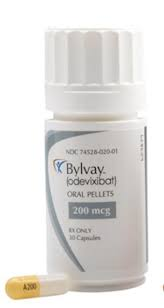
1. When patients have abnormal renal function or are taking other nephrotoxic drugs, serum creatinine and glomerular filtration rate (eGFR) should be monitored regularly;
2. Long-term diarrhea or malabsorption of nutrients may indirectly affect water and electrolyte balance, thereby putting a certain amount of pressure on kidney function;
3. If obvious fatigue, decreased urine output, or edema occurs, seek medical treatment promptly and evaluate kidney function.
Generally speaking, taking odexibat for three months will usually not directly cause renal failure, and its safety is relatively reliable in terms of kidneys. However, for patients with impaired renal function or long-term use of other drugs that may affect the kidneys, it is still recommended to regularly monitor renal function indicators. Doctors can adjust dosage or treatment plans based on monitoring results to ensure that patients can enjoy the benefits of the drug while minimizing potential risks. Long-term management should be comprehensively assessed in conjunction with liver function, nutritional status, and overall health.
Reference link: https://www.drugs.com
[ 免责声明 ] 本页面内容来自公开渠道(如FDA官网、Drugs官网、原研药厂官网等),仅供持有医疗专业资质的人员用于医学药学研究参考,不构成任何治疗建议或药品推荐。所涉药品可能未在中国大陆获批上市,不适用于中国境内销售和使用。如需治疗,请咨询正规医疗机构。本站不提供药品销售或代购服务。


