
.jpeg)
Detailed interpretation of whether ponatinib has been included in medical insurance and medical insurance reimbursement policies
Ponatinib (Ponatinib) is an oral third-generation tyrosine kinase inhibitor (TKI), mainly used to treat chronic myelogenous leukemia (CML) and Philadelphia chromosome-positive acute lymphoblastic leukemia (Ph+ ALL) patients, especially those who are resistant to other TKIs or have the T315I mutation. The drug can inhibit the BCR-ABL fusion protein, thereby blocking the proliferation of tumor cells and significantly improving the patient's treatment prognosis.
At present, ponatinib has not been officially launched in China, so its inclusion in medical insurance and reimbursement policy information are not yet known. This means that if domestic patients want to use the drug, they need to purchase it through overseas channels and are temporarily unable to enjoy medical insurance reimbursement. Drug prices, reimbursement ratios and policy details still need to wait for approval from the State Food and Drug Administration and updates to the relevant medical insurance catalogues.
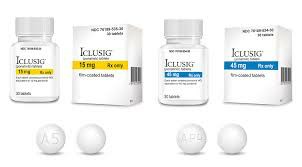
In overseas markets, the original drug of ponatinib is mainly the Hong Kong version, with each box selling for about more than 30,000 yuan. The price is relatively high, which mainly reflects research and development costs and patent protection fees. At the same time, the Lao version and the Bangladeshi version of ponatinib generics are also on the market, and the price is significantly lower than the original drug. The Lao version is about more than 700 yuan, and the Bangladeshi version is about more than 1,000 yuan. The active ingredients of these generic drugs are basically the same as the original drugs, providing a more affordable option for patients with limited financial conditions.
Generally speaking, ponatinib is not yet available in China, so it is temporarily not covered by medical insurance. Patients need to obtain the drug through legal overseas channels. Considering that original drugs are expensive, while generic drugs are more affordable, patients should consider their own economic status and clinical needs when choosing to purchase, and at the same time, standardize medication under the guidance of professional doctors to ensure efficacy and safety. In the future, as drugs are launched in China and medical insurance policies are updated, patient access and economic burden are expected to further improve.
Reference link:https://www.drugs.com
[ 免责声明 ] 本页面内容来自公开渠道(如FDA官网、Drugs官网、原研药厂官网等),仅供持有医疗专业资质的人员用于医学药学研究参考,不构成任何治疗建议或药品推荐。所涉药品可能未在中国大陆获批上市,不适用于中国境内销售和使用。如需治疗,请咨询正规医疗机构。本站不提供药品销售或代购服务。


