
.jpeg)
The correct way to take Tenofovir Alafenamide Fumarate Tablets (Vemlidy) and dosage adjustment recommendations
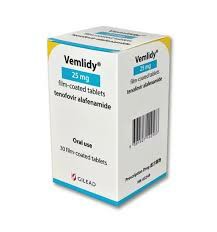
Tenofovir alafenamide fumarate tablets (trade name: Vemlidy, English name: Vemlidy) is an oral antiviral drug, mainly used for the treatment of patients with chronic hepatitis B (CHB). Its active ingredient is tenofovir alafenamide (Tenofovir alafenamide, TAF), which is a nucleotide reverse transcriptase inhibitor (Nucleotide Reverse Transcriptase Inhibitor, NRTI), can effectively inhibit the replication of hepatitis B virus (HBV), and is safer for kidneys and bone density than traditional tenofovir disoproxil disoproxil (TDF). Correct use of Veride and individualized dose adjustment are the keys to ensuring efficacy and reducing side effects.
First of all, the standard usage of Veride is oral administration, once a day, 25 mg each time. The tablet should be swallowed whole and can be taken with food or on an empty stomach, but it is recommended to take the medicine at a fixed time to ensure stable blood concentration and facilitate long-term treatment compliance. For most patients with chronic hepatitis B, standard doses can achieve good viral suppression. In clinical studies, Veride can significantly reduce HBV DNA levels and improve liver function indicators such as ALT and AST, alleviating liver inflammation and reducing the risk of disease progression.
Secondly, individualized dose adjustment may be necessary for special populations and patients with comorbid diseases. Patients with chronic renal insufficiency should be monitored based on glomerular filtration rate (eGFR). Although Veride is less nephrotoxic than TDF, it still needs to be used with caution in patients with severe renal impairment. Clinically, it is generally recommended that patients with end-stage renal disease whose eGFR <15 mL/min should be used with caution. If necessary, the medication regimen should be adjusted or the medication interval should be extended under the guidance of a doctor. At the same time, elderly patients or patients with osteoporosis risk should also evaluate the safety of medication based on bone density monitoring results.
In addition, Veride still requires regular follow-up monitoring during long-term treatment. It is recommended that patients undergo hematology and liver function tests every 3 to 6 months, and monitor HBV DNA levels and renal function indicators, such as serum creatinine and urine protein. If signs of resistance appear or the viral load fails to be effectively reduced, it should be evaluated whether it is necessary to combine other antiviral drugs or adjust the treatment plan. For patients who are receiving other medications, attention should be paid to drug interactions and try to avoid interactions with strongP-gp or BCRP inhibitors should be used simultaneously to avoid affecting blood concentration and efficacy.
In summary, tenofovir alafenamide fumarate tablets (Vemlidy/Vemlidy) provides a safe and efficient antiviral treatment option for patients with chronic hepatitis B. The standard dose is 25 mg orally once a day, and long-term regular medication is required to maintain the virus suppression effect. For patients with abnormal renal function, the elderly, or those at risk of osteoporosis, the dosage or medication regimen should be adjusted under the guidance of a physician. Long-term follow-up monitoring of liver function, viral load and renal function indicators is an important measure to ensure efficacy and safety. Through rational drug use and scientific management, Wellide can effectively control HBV replication, improve liver health, reduce the risk of complications of chronic liver disease, and provide long-term quality of life guarantee for patients.
Reference link:https://www.drugs.com
[ 免责声明 ] 本页面内容来自公开渠道(如FDA官网、Drugs官网、原研药厂官网等),仅供持有医疗专业资质的人员用于医学药学研究参考,不构成任何治疗建议或药品推荐。所涉药品可能未在中国大陆获批上市,不适用于中国境内销售和使用。如需治疗,请咨询正规医疗机构。本站不提供药品销售或代购服务。


