
.jpeg)
Precautions for use and medication risk management of zongertinib-Hernexeos
Zongertinib (trade name: Hernexeos) is a tyrosine-based drug that targets HER2 (ERBB2) Oral small molecule targeted drugs with mutations in the kinase domain (TKD) are mainly used to treat patients with unresectable or metastatic non-squamous non-small cell lung cancer (NSCLC). As a new generation of targeted drugs, Hernexeos has shown high clinical efficacy, but there are still many potential risks and adverse reactions that need to be paid attention to during use. Therefore, understanding its usage precautions and risk management strategies is of great significance to ensure efficacy and patient safety.
First of all, liver function damage is one of the risks that need to be paid attention to during the use of Hernexeos. Clinical trials and drug instructions indicate that the drug can cause an increase in serum aminotransferases (ALT, AST) and bilirubin, and some patients may develop severe liver toxicity. Therefore, patients should undergo baseline liver function assessment before starting medication and regularly monitor liver function indicators during medication. If ALT or AST is found to be 3 times higher than the upper limit of normal or bilirubin is elevated, the dose needs to be adjusted in a timely manner or the drug should be temporarily discontinued. Symptomatic treatment or supportive therapy can be given if necessary. For patients with pre-existing liver function abnormalities or liver disease, Hernexeos should be used with caution under the guidance of a physician, and a more frequent monitoring regimen may be adopted.
Secondly, Hernexeos may have certain effects on heart function, including decreased left ventricular function or risk of heart failure. Before using the drug, patients should undergo cardiac function assessment, such as electrocardiography and echocardiography. If symptoms such as palpitations, dyspnea, or lower limb edema occur during treatment, you should seek medical treatment promptly and adjust the dose or discontinue the drug if necessary. At the same time, for patients with a history of cardiovascular disease, doctors may adopt more stringent monitoring and individualized medication strategies to reduce the risk of adverse cardiovascular events.
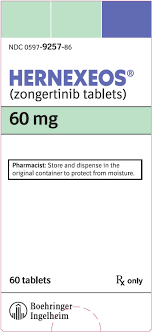
Interstitial lung disease (ILD) or pneumonia is another important warning forHernexeos, especially in patients with pre-existing underlying lung diseases or those who have received radiation therapy. If patients develop progressive dyspnea, cough or fever, the drug should be discontinued immediately and imaging examinations should be performed to check for pulmonary toxicity or infection. Early detection and intervention can significantly reduce the incidence of serious complications. In addition, the drug has potential embryonic-For fetal toxicity, women during pregnancy or childbearing age need to take effective contraceptive measures, and male patients also need to adopt corresponding fertility risk management strategies to avoid effects on offspring.
In terms of medication management, Hernexeos should be taken strictly in accordance with the doctor's instructions. The recommended dose is based on body weight: those weighing less than 90kg should be taken orally daily
Overall, zongatinib (Hernexeos) is more effective in HER2 mutations
Reference link:https://www.drugs.com
[ 免责声明 ] 本页面内容来自公开渠道(如FDA官网、Drugs官网、原研药厂官网等),仅供持有医疗专业资质的人员用于医学药学研究参考,不构成任何治疗建议或药品推荐。所涉药品可能未在中国大陆获批上市,不适用于中国境内销售和使用。如需治疗,请咨询正规医疗机构。本站不提供药品销售或代购服务。


