
.jpeg)
Comparison of the efficacy of talazoparib/tazena and olaparib
Talazoparib and olaparib are important drugs currently used to treat certain types of cancer, especially breast, prostate and ovarian cancer involving BRCA gene mutations. They are all PARP inhibitors that can interfere with the DNA repair mechanism of cancer cells, thereby enhancing the sensitivity of cancer cells to chemotherapy, thereby inhibiting tumor growth and spread.
First, although the mechanisms of action of talazoparib tosylate and olaparib are similar, there are differences in drug structure and intensity of action. Talazoparib is a newer PARP inhibitor with stronger inhibitory activity and higher drug affinity, especially in BRCA mutation-related tumors. The main mechanism is by selectively inhibiting the activity of PARP protein, causing cancer cells to be hindered in repairing DNA single-strand breaks, eventually leading to cell death.
In contrast, olaparib, as the first approved PARP inhibitor , has been proven to be equally effective in patients with BRCA mutation-positive patients in clinical applications, but its efficacy and tolerability are different from talazoparib. The advantage of olaparib lies in its wide range of indications, including certain non-small cell lung cancers, while talazoparib is more focused on the treatment of breast and ovarian cancer.
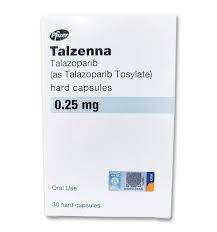
In terms of efficacy, clinical studies have shown that talazoparib has a higher tumor response rate than olaparib in some BRCA mutation patients, and its progression-free survival (PFS) has also been prolonged. This means that patients treated with talazoparib significantly slowed the growth of their tumors after treatment, thereby improving the effectiveness of the treatment. Compared with olaparib, talazoparib has shown higher complete response rates in clinical trials with small sample sizes, making it more clinically attractive.
Although the efficacy of the two is different, the patient's individual situation and tolerance need to be considered when selecting a drug. Talazoparib has relatively few side effects. Common side effects include anemia, nausea, fatigue, etc., while olaparib may cause diarrhea, vomiting and other adverse reactions. Therefore, in clinical practice, doctors must comprehensively consider the patient's specific situation, the efficacy and side effects of the drug, and formulate a personalized treatment plan.
In addition, with the support ofPARPIn-depth research on inhibitors has found that combining talazoparib with other treatments can further enhance the efficacy. For example, when used in combination with chemotherapy drugs or immunotherapy, a synergistic effect may occur to improve the effectiveness of tumor treatment. This combined treatment model is increasingly used clinically, bringing more effective treatment options to patients.
In general, talazoparib tosylate and olaparib have their own advantages in the treatment of BRCA mutation-related cancers. Talazoparib may have certain advantages in efficacy, especially in terms of progression-free survival and response rate. However, treatment options should still be selected based on the specific circumstances of each patient and the professional judgment of the clinician. As research deepens in the future, it is expected that more clinical data will support the use of these drugs, thereby providing more effective treatment options for cancer patients.
Reference materials:https://www.talzenna.com/
[ 免责声明 ] 本页面内容来自公开渠道(如FDA官网、Drugs官网、原研药厂官网等),仅供持有医疗专业资质的人员用于医学药学研究参考,不构成任何治疗建议或药品推荐。所涉药品可能未在中国大陆获批上市,不适用于中国境内销售和使用。如需治疗,请咨询正规医疗机构。本站不提供药品销售或代购服务。


