
.jpeg)
Is Enasidenib suitable for long-term use in young patients?
Enasidenib as an IDH2 inhibitor, is mainly used to treat patients with acute myeloid leukemia (AML) carrying IDH2 gene mutations. Because its mechanism of action is to block the accumulation of abnormal metabolites by targeting the activity of mutant enzymes, this drug is believed to have changed the way traditional chemotherapy damages the body to a certain extent, making it more advantageous in terms of tolerance and feasibility of long-term application. For young patients, the suitability of long-term medication is a very core concern.
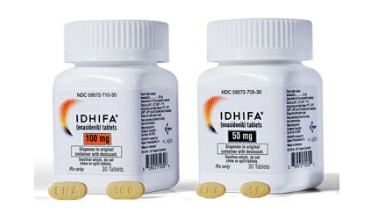
Younger patients tend to have greater metabolic and recovery capabilities, which means they may be better able to tolerate the side effects of ensidipine, such as jaundice, decreased appetite, or fatigue than older patients. However, this does not mean that long-term medication is completely risk-free. Long-term use of ensidipine may cause abnormal liver function indicators, hematological reactions and metabolic changes, so regular hematological and biochemical testing is required. For young patients, if the treatment goal is to achieve long-term disease control or even remission, reasonable follow-up and dynamic adjustment of the plan are particularly critical.
Judging from overseas experience, some young patients with acute myeloid leukemia have better control of their disease when receiving ensidipine maintenance therapy, which indirectly confirms the feasibility of long-term medication. However, doctors will also comprehensively consider the patient's specific mutation status, risk of drug resistance, and possibility of combination therapy when making drug decisions. For example, some young patients may receive hematopoietic stem cell transplantation after achieving remission, while ensidipine is used more as a bridge treatment or as an adjuvant option after remission.
Therefore, whether ensidipine is suitable for long-term use in young patients needs to be discussed in the context of personalized medicine. It does bring new treatment options to young people, but it must be carried out under strict medical monitoring, and the use period cannot be blindly extended solely based on the targeted properties of the drug.
Reference materials:https://www.idhifa.com/
[ 免责声明 ] 本页面内容来自公开渠道(如FDA官网、Drugs官网、原研药厂官网等),仅供持有医疗专业资质的人员用于医学药学研究参考,不构成任何治疗建议或药品推荐。所涉药品可能未在中国大陆获批上市,不适用于中国境内销售和使用。如需治疗,请咨询正规医疗机构。本站不提供药品销售或代购服务。


