
.jpeg)
Which drug is better and more effective than serputinib/serpatinib vs platinib?
Selpercatinib and Pralsetinib (Pralsetinib) are two targeted drugs that have received great attention in the field of global oncology precision medicine in recent years. They are both RET inhibitors and are mainly used to treat cancer patients with RET gene fusions or mutations. RET gene abnormalities are relatively common in tumor types such as non-small cell lung cancer (NSCLC) and thyroid cancer. Therefore, the emergence of these two drugs has greatly expanded the options for precision treatment. So which drug is better and more effective? A comprehensive comparison can be made from the perspectives of mechanism of action, efficacy performance, safety and clinical application trends.
From the perspective of mechanism of action, both are highly selective RET tyrosine kinase inhibitors, which can effectively block the signaling pathways of tumor cells, thereby inhibiting the growth and spread of cancer cells. Compared with traditional multi-target inhibitors, these drugs are more selective and interfere less with other pathways, so in theory side effects are relatively controllable. Seputinib and platinibare different in molecular structure, but their ultimate goal is to precisely inhibitRET-driven tumor progression.
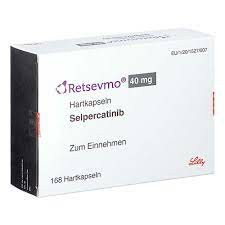
In terms of efficacy, overseas studies and real-world applications have shown that both drugs have shown a high objective response rate in patients with RET fusion-positive non-small cell lung cancer, and some patients can achieve longer-lasting disease control. Seputinib has shown stable efficacy in some studies, particularly in patients with brain metastases. The efficacy data of platinib in specific groups of people are also very impressive, and some studies believe that it has a faster onset of effect. Generally speaking, there is no absolute difference in efficacy, and it depends more on the genetic characteristics, previous treatment history and physical condition of the specific patient.
In terms of safety, both drugs have certain adverse reactions, but are generally better tolerated than traditional chemotherapy. Common side effects include hypertension, abnormal liver function indicators, constipation, fatigue, etc. Some patients may experience hematological adverse reactions such as neutropenia. In clinical practice, doctors will adjust the dose or take supportive treatment according to the severity of adverse reactions to help patients successfully complete treatment. In comparison, seputinib has been shown to be better tolerated by the gastrointestinal tract in some studies, while platinib requires more attention in terms of bone marrow suppression.
Finally, in terms of clinical application trends, due to its earlier approval by regulators such as the FDA, septinib has been used globally for a longer time and has accumulated richer real-world experience.而普拉替尼作为后续上市的同类药物,也逐渐在多个国家获得批准,并在价格、医保可及性和治疗策略上提供了更多选择。 For patients, the two are not an either/or relationship, but together they enrich the drug library for RET targeted therapy.
Reference:https://en.wikipedia.org/wiki/Selpercatinib
[ 免责声明 ] 本页面内容来自公开渠道(如FDA官网、Drugs官网、原研药厂官网等),仅供持有医疗专业资质的人员用于医学药学研究参考,不构成任何治疗建议或药品推荐。所涉药品可能未在中国大陆获批上市,不适用于中国境内销售和使用。如需治疗,请咨询正规医疗机构。本站不提供药品销售或代购服务。


