
.jpeg)
Regorafenib (Belvango) complete instructions and medication safety guide
1. Overview of Drugs
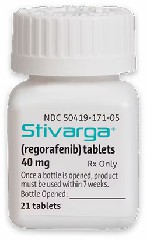
Regorafenib (Regorafenib) is an oral small molecule multi-target tyrosine kinase inhibitor (TKI) that inhibits multiple kinases related to angiogenesis, tumor proliferation and microenvironment signaling pathways (such as VEGFR , PDGFR, KIT, RAF, etc.) to achieve anti-tumor effects on a variety of solid tumors. The drug is mainly used for patients with advanced colorectal cancer (mCRC), gastrointestinal stromal tumor (GIST) and hepatocellular carcinoma (HCC), especially for patients who are resistant to or relapsed with standard treatment options. Regorafenib is already on the market in China and is covered by medical insurance. Patients can purchase it at hospital pharmacies, but they must fully understand the instructions and safety guidelines before use to ensure rational use of the drug.
2. Indications, usage and dosage
Regorafenib is suitable for patients with:
1.Advanced colorectal cancer: patients with metastatic colorectal cancer that are resistant to chemotherapy regimens such as fluorouracil, oxaliplatin, and irinotecan.
2.Gastrointestinal stromal tumor (GIST): patients with unresectable or metastatic GIST who have failed treatment with imatinib and sunitinib.
3.Hepatocellular carcinoma (HCC): It can be used for advanced HCC patients who have been treated with sorafenib and their disease progresses or they cannot tolerate sorafenib.
The recommended usage is oral administration, usually once a day, with each dose of 160mg. Take it continuously for 3 weeks and then stop taking it for 1 week (28 days is a cycle). The tablets should be swallowed whole, with water, before or after meals, but they need to be taken regularly to avoid missing doses. If you miss a dose, you should take it as soon as possible on the same day. Do not take a double dose at one time.
3. Common side effects and monitoring
The adverse reactions of regorafenib are mostly related to its multi-target inhibitory effect, mainly including:
1.Vascular-related reactions: high blood pressure, rash on hands and feet, blood clots, bleeding tendency. It is recommended to monitor blood pressure before taking medication, use antihypertensive drugs if necessary, and observe skin erythema, blisters and other symptoms.
2.Digestive system reactions: diarrhea, loss of appetite, nausea, vomiting, stomatitis, abdominal pain, etc. It can be relieved through symptomatic treatment such as antidiarrheal drugs, antivomiting drugs and dietary adjustments.
3. Abnormal liver function: ALT, AST, and elevated bilirubin. Liver function should be assessed before medication, and liver function indicators need to be monitored every cycle during treatment. If moderate or severe elevation occurs, the dose needs to be reduced or medication suspended.
4. Fatigue and fatigue: Mild to moderate fatigue is common, and some patients can alleviate it through rest and lifestyle adjustments.
5.Skin and hair reactions: Hand-foot syndrome, rash, alopecia or pigmentation, usually mild to moderate, and can be alleviated by skin care measures or topical treatments.
For serious or persistent adverse reactions, you should contact your doctor immediately. It may be necessary to reduce the dose, take medication intermittently, or temporarily discontinue the medication to ensure medication safety.
4. Medication Safety Guidelines and Precautions
1. Pre-medication assessment: Before taking medication, it is necessary to understand the patient’s past medical history in detail, especially cardiovascular disease, abnormal liver and kidney function, and bleeding tendencies. It is prohibited for pregnant women and lactating women. Women of childbearing age need to take effective contraceptive measures.
2.Drug interactions: Regorafenib is metabolized by CYP3A4. It is necessary to avoid the simultaneous use of strong CYP3A4 inhibitors or inducers, such as certain antifungals and antiepileptic drugs, to prevent abnormal blood concentration.
3.Regular monitoring: including blood pressure, blood routine, liver function, renal function and imaging examination to evaluate the efficacy and detect adverse reactions in a timely manner.
4.Lifestyle guidance: During medication, you should pay attention to rest, eat properly, maintain fluid intake, and avoid high-risk activities, such as sports that may cause trauma or bleeding.
5. Dose adjustment and discontinuation strategies
1.Mild to moderate adverse reactions (1-2 grade): You can continue to take the original dose and cooperate with symptomatic treatment.
2.Moderate or above adverse reactions (3 grade and above): It is recommended to temporarily stop taking the drug and resume after the symptoms improve to 1 grade. If necessary, the dose can be reduced 20-40mg/ times.
3.Severe adverse reactions or intolerance: the drug needs to be permanently discontinued and other treatment options should be used according to the doctor's evaluation.
4.Long-term maintenance: Regularly review the efficacy and side effects, and adjust the cycle and dose if necessary to achieve long-term safe treatment.
Regofenib, as a multi-target tyrosine kinase inhibitor, has shown significant anti-tumor effects in patients with advanced colorectal cancer, GIST and hepatocellular carcinoma. Before taking medication, you need to fully understand the instructions, evaluate your past medical history and potential risks, and take the medication strictly according to the dosage and cycle. During the treatment process, adverse reactions can be effectively controlled and curative effect optimized by regularly monitoring blood pressure, liver and kidney function, routine blood tests, and imaging examinations. Combined with dose adjustment and individualized management, regorafenib can maximize the anti-tumor effect while ensuring safety, providing an important treatment option for patients with advanced solid tumors.
Reference link:https://www.drugs.com
[ 免责声明 ] 本页面内容来自公开渠道(如FDA官网、Drugs官网、原研药厂官网等),仅供持有医疗专业资质的人员用于医学药学研究参考,不构成任何治疗建议或药品推荐。所涉药品可能未在中国大陆获批上市,不适用于中国境内销售和使用。如需治疗,请咨询正规医疗机构。本站不提供药品销售或代购服务。


