
.jpeg)
Comparative Study on the Differences and Clinical Use Effects of Adagrasiib (Krazati) and Sotorasib
1. Drug overview and mechanism of action
Krazati and Sotorasib (AMG 510) are both KRAS G12C targeted inhibitors and are oral small molecule targeted drugs developed for patients with advanced cancer with KRAS G12C mutations. KRAS G12C mutation is common in patients with non-small cell lung cancer (NSCLC) and colorectal cancer (CRC) and is one of the tumor driver genes.
Sotorasiib forms covalent binding to the KRAS G12C mutation site and locks the KRAS protein in an inactive GDP-bound state, thereby blocking the downstream MAPK signaling pathway and inhibiting tumor cell proliferation and survival. Adagrasiib is similar in mechanism to sotoracib and also targets the KRAS G12C site, but its molecular structure optimizes the target binding ability and pharmacokinetic properties, giving it certain advantages in blood concentration stability, tissue distribution and target selectivity.
2. Indications and applicable groups
Sotoracib is mainly suitable for patients with KRAS G12C mutation-positive advanced or metastatic non-small cell lung cancer, especially those who have failed to respond to previous platinum-based chemotherapy or immunotherapy. In addition, sotoraxib may also be considered for some patients with KRAS G12C-positive colorectal cancer who have failed standard treatments.
1. Non-small cell lung cancer (NSCLC):
In clinical studies, sotorasiib has shown that the objective response rate (ORR) in patients with advanced KRAS G12C-positive NSCLC is about 35%–40%, and the disease control rate (DCR) exceeds 80%. The duration of response in some patients can reach more than 6 months.
The phase II clinical trial data of adagrasiib shows that the ORR of similar patients is about 43%-50%, and the median duration of response is slightly longer, with some patients exceeding 7 months, showing an advantage in the persistence of efficacy.
2. Patients with brain metastasis:
Sotoracib has limited penetration into the central nervous system, and its response rate to brain metastases is relatively low.
Due to its optimized molecular structure and pharmacokinetic advantages, adagrasib has shown better control capabilities in patients with brain metastases. In some studies, the response rate of brain metastases can reach 25%–30%.
3.Safety and Tolerability:
Both were well tolerated, with common adverse reactions including diarrhea, fatigue, liver function abnormalities, and mild changes in hematological parameters.
The incidence of adverse reactions of adagrasiib is slightly lower when administered continuously at high doses, and most of them are mild to moderate and can be managed through dose adjustment or symptomatic treatment.
4. Administration and dose optimization:
The standard dose of sotoracib is 120 mg orally once daily, while the dose range of adagrasiib is more flexible. Some patients can adjust the dose according to tumor burden and tolerance, thereby achieving individualized treatment.
4. Clinical application strategies and selection suggestions
In clinical practice, the choice of which KRAS G12C inhibitor needs to be based on the patient's genetic background, tumor distribution and previous treatment history. Generally speaking:
1. Patients with standard advanced NSCLC: Sotorasib can be used as a first-line or second-line targeting option, with stable efficacy and controllable side effects.
2. Patients with brain metastases or high tumor burden: Adagrasib may be more suitable because it is more effective in controlling brain metastasis and high tumor burden.
3. Patients with poor tolerance to previous treatments or who require long-term maintenance: The dose of adagrasiib can be optimized based on tolerance to achieve long-term treatment.
In addition, both drugs need to be used under the guidance of professional doctors, and combined with regular imaging reviews and laboratory monitoring to evaluate efficacy and handle adverse reactions in a timely manner.
In general, Krazati and Sotorasib are KRAS G12C targeted inhibitors and are suitable for patients with advanced NSCLC and some CRC. The two have similar mechanisms of action, but adagrasib has certain advantages in pharmacokinetic optimization, brain metastasis control, and dosage flexibility. Sotoracib has stable clinical efficacy and good tolerance, and is suitable for most KRAS G12C-positive patients.
Clinical selection should be based on the patient's specific condition, genetic testing results and previous treatment history to achieve precise and individualized treatment. In the future, with the accumulation of more real-world data and long-term follow-up studies, the application strategy of adagrasiib and sotorasib will be further optimized to provide more efficient and safe targeted treatment options for KRAS G12C-positive patients.
Reference link: https://www.drugs.com
Krazati and Sotorasib (AMG 510) are both KRAS G12C targeted inhibitors and are oral small molecule targeted drugs developed for patients with advanced cancer with KRAS G12C mutations. KRAS G12C mutation is common in patients with non-small cell lung cancer (NSCLC) and colorectal cancer (CRC) and is one of the tumor driver genes.
Sotorasiib forms covalent binding to the KRAS G12C mutation site and locks the KRAS protein in an inactive GDP-bound state, thereby blocking the downstream MAPK signaling pathway and inhibiting tumor cell proliferation and survival. Adagrasiib is similar in mechanism to sotoracib and also targets the KRAS G12C site, but its molecular structure optimizes the target binding ability and pharmacokinetic properties, giving it certain advantages in blood concentration stability, tissue distribution and target selectivity.
2. Indications and applicable groups
Sotoracib is mainly suitable for patients with KRAS G12C mutation-positive advanced or metastatic non-small cell lung cancer, especially those who have failed to respond to previous platinum-based chemotherapy or immunotherapy. In addition, sotoraxib may also be considered for some patients with KRAS G12C-positive colorectal cancer who have failed standard treatments.
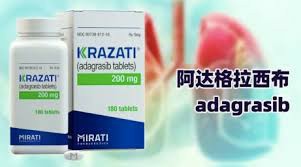
Adagrasiib also targets patients with KRAS G12C-positive advanced NSCLC and CRC, but clinical trials have shown that adagrasiib may be slightly more effective than sotoracib in patients with brain metastases and patients with higher tumor burden. This is related to its optimized molecular structure and central nervous system penetration ability, which makes adagrasib have a relatively higher response rate in patients with brain metastases.
1. Non-small cell lung cancer (NSCLC):
In clinical studies, sotorasiib has shown that the objective response rate (ORR) in patients with advanced KRAS G12C-positive NSCLC is about 35%–40%, and the disease control rate (DCR) exceeds 80%. The duration of response in some patients can reach more than 6 months.
The phase II clinical trial data of adagrasiib shows that the ORR of similar patients is about 43%-50%, and the median duration of response is slightly longer, with some patients exceeding 7 months, showing an advantage in the persistence of efficacy.
2. Patients with brain metastasis:
Sotoracib has limited penetration into the central nervous system, and its response rate to brain metastases is relatively low.
Due to its optimized molecular structure and pharmacokinetic advantages, adagrasib has shown better control capabilities in patients with brain metastases. In some studies, the response rate of brain metastases can reach 25%–30%.
3.Safety and Tolerability:
Both were well tolerated, with common adverse reactions including diarrhea, fatigue, liver function abnormalities, and mild changes in hematological parameters.
The incidence of adverse reactions of adagrasiib is slightly lower when administered continuously at high doses, and most of them are mild to moderate and can be managed through dose adjustment or symptomatic treatment.
4. Administration and dose optimization:
The standard dose of sotoracib is 120 mg orally once daily, while the dose range of adagrasiib is more flexible. Some patients can adjust the dose according to tumor burden and tolerance, thereby achieving individualized treatment.
4. Clinical application strategies and selection suggestions
In clinical practice, the choice of which KRAS G12C inhibitor needs to be based on the patient's genetic background, tumor distribution and previous treatment history. Generally speaking:
1. Patients with standard advanced NSCLC: Sotorasib can be used as a first-line or second-line targeting option, with stable efficacy and controllable side effects.
2. Patients with brain metastases or high tumor burden: Adagrasib may be more suitable because it is more effective in controlling brain metastasis and high tumor burden.
3. Patients with poor tolerance to previous treatments or who require long-term maintenance: The dose of adagrasiib can be optimized based on tolerance to achieve long-term treatment.
In addition, both drugs need to be used under the guidance of professional doctors, and combined with regular imaging reviews and laboratory monitoring to evaluate efficacy and handle adverse reactions in a timely manner.
In general, Krazati and Sotorasib are KRAS G12C targeted inhibitors and are suitable for patients with advanced NSCLC and some CRC. The two have similar mechanisms of action, but adagrasib has certain advantages in pharmacokinetic optimization, brain metastasis control, and dosage flexibility. Sotoracib has stable clinical efficacy and good tolerance, and is suitable for most KRAS G12C-positive patients.
Clinical selection should be based on the patient's specific condition, genetic testing results and previous treatment history to achieve precise and individualized treatment. In the future, with the accumulation of more real-world data and long-term follow-up studies, the application strategy of adagrasiib and sotorasib will be further optimized to provide more efficient and safe targeted treatment options for KRAS G12C-positive patients.
Reference link: https://www.drugs.com
[ 免责声明 ] 本页面内容来自公开渠道(如FDA官网、Drugs官网、原研药厂官网等),仅供持有医疗专业资质的人员用于医学药学研究参考,不构成任何治疗建议或药品推荐。所涉药品可能未在中国大陆获批上市,不适用于中国境内销售和使用。如需治疗,请咨询正规医疗机构。本站不提供药品销售或代购服务。


