
.jpeg)
Common side effects of larotrectinib (Vitaika) and how to alleviate them
1. Overview of larotrectinib
Larotrectinib is an oral small molecule selective TRK (tropomyosin receptor kinase) inhibitor that targets NTRK gene fusion-positive solid tumors. TRK Fusions are a rare but genetic abnormality that highly drives tumor proliferation and can be found in a variety of childhood and adult solid tumors, including non-small cell lung cancer, breast cancer, thyroid cancer, neuroblastoma, and soft tissue sarcoma.
Larotrectinib works by inhibitingTRKA, TRKB and TRKC
2. Common side effects of larotinib
According to clinical studies and real-world data, common side effects of larotrectinib mainly include the following aspects:
1.Hematological adverse reactions: Some patients may develop mild to moderate anemia, leukopenia or thrombocytopenia. Changes in hematological indicators are mostly reversible and are usually not accompanied by severe infection or bleeding.
2.Digestive system reactions: Common nausea, vomiting, diarrhea, loss of appetite and stomatitis. Some patients will experience gastrointestinal discomfort in the early stages of treatment, and most symptoms will be relieved with time.
3.Nervous system reactions: Some patients experience mild dizziness, drowsiness, peripheral nerve sensory abnormalities (such as numbness or tingling), and decreased concentration. Most of these symptoms are controllable side effects, and some are related to the drug penetrating the blood-brain barrier.
4.Abnormal liver function: Mild to moderate elevations in serum aminotransferases are common, including elevations in ALT and AST, which can generally be managed through monitoring and dose adjustment.
5.Other symptoms: Occasionally fatigue, headache, hypotension or edema. In general, most of these adverse reactions are grade 1-2, and the incidence of serious side effects (grade 3 or above) is low.
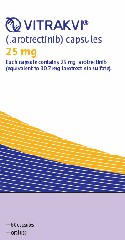
3. Side Effect Monitoring and Mitigation Treatment Methods
During larotrectinib treatment, reasonable monitoring and timely intervention are important links to ensure the efficacy and patient quality of life. Common management strategies include:
1.Hematology management: Blood routine should be monitored regularly before treatment and during medication. If mild to moderate blood cell decline occurs, supportive treatment such as iron supplementation or hematopoietic growth factor intervention can be used; if platelets or white blood cells decrease significantly, temporary discontinuation or dose reduction can be considered.
2.Digestive system management: Nausea, vomiting and diarrhea can be treated through dietary adjustments (smaller meals more often, avoidance of spicy and greasy foods), oral antiemetics or fluid rehydration. Stomatitis can be relieved by keeping the mouth clean, using oral care solutions and topical pain relievers.
3.Nervous system management: Mild dizziness and drowsiness can be improved by adjusting the medication time (such as taking it at night) or daily routine. If severe sensory abnormalities or cognitive effects occur, neurological evaluation should be performed and drug reduction or short-term discontinuation should be considered.
4.Liver function management: Assess liver function before medication, and regularly monitor ALT, AST and bilirubin levels during treatment. If there is a moderate increase, you can continue to observe or reduce the drug dose; if there is a severe increase, you need to temporarily stop the drug and adjust the dose after recovery.
5.Comprehensive intervention: Symptoms such as fatigue and edema can be improved through proper rest, controlled fluid intake and mild exercise. For patients under long-term treatment, a follow-up mechanism should be established to dynamically evaluate drug safety based on symptom records, laboratory indicators, and imaging examinations.
4. Individualized dose adjustment strategy
Larotrectinib is well tolerated, but some patients still require individualized dose adjustment to alleviate side effects:
Mild to moderate side effects: Most can continue to be maintained at the standard dose and managed through symptomatic treatment.
Moderate side effects: If indigestion or hematological indicators drop significantly, dosage can be moderately reduced or administration can be done intermittently.
Serious side effects: Medication needs to be suspended until symptoms are relieved to grade 1 or close to baseline, and then gradually restored to the tolerated dose.
Long-term management: Establish a side effect monitoring form to record changes in symptoms and laboratory indicators after each medication, and adjust the treatment plan based on the doctor's recommendations to ensure it is both safe and effective.
Larotinib, as a highly selectiveTRK inhibitor, plays an important role in NTRKExcellent efficacy was demonstrated in patients with fusion-positive tumors. However, side effects such as hematological abnormalities, digestive system reactions, neurological symptoms, and changes in liver function may still occur during treatment. Through early identification, regular monitoring, symptomatic treatment and individualized dose adjustment, most side effects can be effectively alleviated without affecting the overall efficacy.
In clinical application, it is recommended that patients establish detailed follow-up records of side effects, regularly review laboratory indicators and imaging examinations, and maintain communication with professional doctors. Through scientific management, larotrectinib can not only exert significant anti-tumor effects, but also protect patients' quality of life, providing solid support for precise targeted therapy of NTRK fusion-positive tumors.
Reference link:https://www.drugs.com
[ 免责声明 ] 本页面内容来自公开渠道(如FDA官网、Drugs官网、原研药厂官网等),仅供持有医疗专业资质的人员用于医学药学研究参考,不构成任何治疗建议或药品推荐。所涉药品可能未在中国大陆获批上市,不适用于中国境内销售和使用。如需治疗,请咨询正规医疗机构。本站不提供药品销售或代购服务。


