
.jpeg)
Clinical therapeutic effects of long-term use of selinexol (silvio) after three years
The clinical treatment effect of long-term use of Selinexor (Selinexor) for three years mainly depends on the patient's disease type, disease course and previous treatment history. Selinisol is an oral selective nuclear export inhibitor (SINE). By inhibiting the function of XPO1 protein, it prevents the excretion of tumor suppressor proteins from the nucleus, thereby enhancing cancer cell apoptosis and inhibiting proliferation. In multiple myeloma and partially relapsed/refractory solid tumors, selinesol has shown a unique anti-tumor mechanism, making long-term treatment possible.
In patients with multiple myeloma, three consecutive years of selinesol treatment demonstrated long-term disease control. Some patients can achieve partial remission or stable disease (SD) in the early course of treatment, and long-term use can prolong progression-free survival (PFS) and maintain a low level of myeloma cell load. Clinical data shows that despite the long course of three-year medication, some patients are still able to maintain disease remission, demonstrating the drug's long-lasting efficacy.
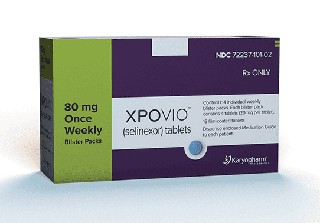
In terms of tolerability, long-term use of selinesol usually causes some controllable side effects, such as fatigue, decrease in platelets and leukocytes, decreased appetite, and digestive system discomfort. Most side effects can be effectively managed through dose adjustment, intermittent administration, and symptomatic management. Three years of medication observation showed that the overall tolerance of patients was good, and the long-term efficacy was not affected by short-term side effects.
Overall, long-term use of selinesol for three years can provide stable disease control and maintenance of remission for patients with relapsed/refractory myeloma, while maintaining a high quality of life. During long-term use, patients need to regularly review hematological indicators, liver and kidney function, and symptom monitoring to ensure safe and effective maintenance of treatment effects. Long-term follow-up data also provide important reference for clinical optimization of dosage regimens and personalized medication.
Reference link:https://www.drugs.com
[ 免责声明 ] 本页面内容来自公开渠道(如FDA官网、Drugs官网、原研药厂官网等),仅供持有医疗专业资质的人员用于医学药学研究参考,不构成任何治疗建议或药品推荐。所涉药品可能未在中国大陆获批上市,不适用于中国境内销售和使用。如需治疗,请咨询正规医疗机构。本站不提供药品销售或代购服务。


