
.jpeg)
Pazopanib (Viant) usage and dosage standards and patient-individualized adjustment methods
Pazopanib is an oral, small molecule, multi-target tyrosine kinase inhibitor that mainly acts on VEGFR, PDGFR and c-KIT, and is used to treat advanced or metastatic clear cell renal cell carcinoma and certain soft tissue sarcomas. Its basic mechanism of action is to slow down tumor growth by inhibiting angiogenesis pathways and tumor cell proliferation, thereby prolonging the progression-free survival of patients. Due to its oral administration and highly targeted effect, pazopanib is more convenient for clinical application, but the usage and dosage need to be strictly followed to ensure efficacy and safety.
In terms of standard usage and dosage, the recommended dose for adults is usually 800mg, which should be taken orally as a whole tablet once a day, preferably on an empty stomach (1 hour before a meal or 2 hours after a meal) to improve absorption and blood concentration stability. Initial treatment is generally maintained at the standard dose. If the patient experiences mild to moderate adverse reactions, supportive treatment can be taken under the guidance of a doctor without immediately reducing the dose or discontinuing the drug. In patients with normal renal or hepatic function, standard doses usually achieve good results.
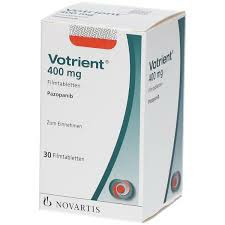
Individualized patient adjustments are mainly targeted at patients with impaired liver function, elderly patients, or severe adverse reactions. For example, for patients with moderately impaired liver function (Child-Pugh B grade), it is usually recommended that the initial dose be reduced to 400–600mg once daily, and liver function indicators should be closely monitored during treatment. In the event of serious side effects (such as hypertension, hand-foot syndrome, elevated liver enzymes), the drug can be temporarily discontinued or the dose can be gradually reduced to 200–400mg, and then gradually returned to the tolerated dose after the symptoms are relieved.
In clinical practice, dynamic assessment needs to be carried out based on the patient's overall condition. Including blood pressure monitoring, liver and kidney function assessment, blood routine and quality of life indicators. Through regular follow-up, doctors can determine whether dosage adjustments, extended dosing intervals, or combination treatment strategies are needed. In addition, patients themselves should maintain a regular schedule, eat a reasonable diet, and report adverse reactions in a timely manner, which plays an important role in individualized dose adjustment and maintenance of efficacy.
Reference link:https://www.drugs.com
[ 免责声明 ] 本页面内容来自公开渠道(如FDA官网、Drugs官网、原研药厂官网等),仅供持有医疗专业资质的人员用于医学药学研究参考,不构成任何治疗建议或药品推荐。所涉药品可能未在中国大陆获批上市,不适用于中国境内销售和使用。如需治疗,请咨询正规医疗机构。本站不提供药品销售或代购服务。


