
.jpeg)
Platinib (Pujihua) belongs to the first generation of targeted drugs and its clinical application advantages
Pralsetinib is a new type of selective RET inhibitor, which is usually classified as a "new generation of targeted drugs" and is mainly targeted at tumor patients with RET gene fusion or RET mutations. Compared with early multi-target tyrosine kinase inhibitors, platinib is more precise in molecular structure design and can highly selectively inhibit RET kinase activity, thereby reducing non-specific effects on other signaling pathways and reducing the incidence of adverse reactions. This feature makes platinib more specialized and targeted in the field of targeted therapy.
In terms of clinical application, platinib has been approved for the treatment of RETfusion-positive non-small cell lung cancer (NSCLC) and < span>RETmutated medullary thyroid carcinoma (MTC), and has shown promising efficacy in other RETrelated tumors. Clinical trial data show that platinib still has a significant objective response rate and longer progression-free survival in patients who have received multiple lines of treatment in the past, which provides new hope for drug-resistant patients and patients with limited treatment options. Especially in RETfusion lung cancer, platinib shows better results than traditional chemotherapy and immunotherapy.
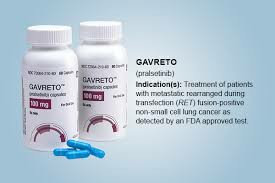
Unlike previous multi-targetTKI drugs, platinib also has advantages in terms of safety. Traditional drugs inhibit targets such as VEGFR and FGFR at the same time, often leading to side effects such as hypertension and hand-foot syndrome. However, because platinib has more concentrated targets, related adverse reactions are generally lighter and more controllable. This tolerability advantage allows patients to maintain treatment for a longer period of time, thereby further improving efficacy and quality of life, and also provides clinicians with greater space in treatment options.
In general, platinib, as a new generation of highly selective RET inhibitors, has shown obvious advantages in terms of efficacy, tolerability and long-term application value. It not only fills the gap in RET target therapy, but also promotes the further development of precision medicine in fields such as lung cancer and thyroid cancer. With the accumulation of more clinical data, platinib is expected to expand its indications in a wider range of cancer types and become an important treatment option for patients with RET-related tumors.
Reference link:https://www.drugs.com
[ 免责声明 ] 本页面内容来自公开渠道(如FDA官网、Drugs官网、原研药厂官网等),仅供持有医疗专业资质的人员用于医学药学研究参考,不构成任何治疗建议或药品推荐。所涉药品可能未在中国大陆获批上市,不适用于中国境内销售和使用。如需治疗,请咨询正规医疗机构。本站不提供药品销售或代购服务。


