
.jpeg)
Which is more effective in lowering blood pressure, apresitentan (Tryvio) or sacubitril/valsartan?
Aprocitentan-Tryvio and sacubitril-valsartan are two widely discussed antihypertensive regimens. Their mechanisms are different, and their applicable populations and effects are also different. To answer “Which blood pressure lowering effect is better?”, it is necessary to conduct a comprehensive analysis based on their working principles, usage background, and value in clinical management.
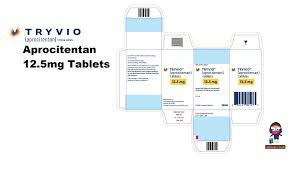
Aprecitentan is a new type of endothelin receptor antagonist that targets the key signaling pathways of vasoconstriction. Endothelin is a highly active vasoconstrictor factor in patients with hypertension. When it acts for a long time, it will cause continuous tension in blood vessels and make blood pressure difficult to control. Aprecitentan restores vasodilation by inhibiting endothelin receptors, achieving a stable blood pressure lowering effect. Compared with traditional drugs, its mechanism is more precise, and it shows unique advantages especially in patients with refractory hypertension or insufficient response to conventional drugs. Some overseas studies believe that aprecitentan not only lowers blood pressure, but may also have additional protective effects on heart and kidney function, which brings new hope to high-risk groups.
Sacubitril-valsartan is one of the star drugs in the cardiovascular field in recent years. It initially attracted widespread attention for its role in chronic heart failure. It works through a dual mechanism: on the one hand, valsartan acts as an angiotensin II receptor blocker and inhibits the activity of vasoconstrictor factors; on the other hand, sacubitril increases the level of natriuretic peptides by inhibiting neutral endopeptidase, thereby dilating blood vessels, promoting sodium excretion, and reducing the burden on the heart. Compared with simple antihypertensive drugs, the value of sacubitril-valsartan lies in comprehensively improving the state of the cardiovascular system and having dual effects of antihypertensive and heart failure management. This drug has shown outstanding clinical advantages in patients with hypertension and cardiac insufficiency.
If compared purely from the perspective of antihypertensive effect, aprecitentan may be more targeted in controlling refractory hypertension because it opens up a new target in the endothelin pathway and can further reduce blood pressure when conventional drug combinations have limited efficacy. Sacubitril-valsartan is not necessarily better than aprecitentan in reducing blood pressure in general hypertensive people, but its comprehensive cardiovascular benefits are greater. For patients with heart failure, its therapeutic significance is far beyond simple blood pressure reduction. Therefore, if we only focus on blood pressure numbers, aprecitentan may be more prominent in some refractory cases; and if the patient is also accompanied by heart failure, myocardial remodeling and other problems, sacubitril-valsartan may be a better solution.
From a safety perspective, aprecitentan as a new drug still needs more long-term data accumulation, but existing evidence shows that its side effects are relatively controllable, mainly involving mild headache, edema or changes in liver function indicators. After years of large-scale use, the safety of sacubitril-valsartan has been relatively established, but it is also necessary to pay attention to risks such as hypotension, changes in renal function, and electrolyte disorders. The two have different medication management ideas. One emphasizes targeted innovation and the other emphasizes system adjustment. Therefore, the doctor will take the patient's specific condition into account when prescribing.
Reference materials:https://go.drugbank.com/drugs/DB15059
[ 免责声明 ] 本页面内容来自公开渠道(如FDA官网、Drugs官网、原研药厂官网等),仅供持有医疗专业资质的人员用于医学药学研究参考,不构成任何治疗建议或药品推荐。所涉药品可能未在中国大陆获批上市,不适用于中国境内销售和使用。如需治疗,请咨询正规医疗机构。本站不提供药品销售或代购服务。


