
.jpeg)
Single box dosage and treatment course of Crizotinib/Xalkori
Crizotinib/Crizotinib is a multi-target small molecule tyrosine kinase inhibitor, mainly used to treat non-small cell lung cancer that is positive for ALK or ROS1 gene rearrangement (NSCLC), andALK-positive anaplastic large cell lymphoma (ALCL) and inflammatory myofibroblastic tumor (IMT), etc. Since the original drug was launched in China and entered the medical insurance catalog, the accessibility and frequency of clinical use of crizotinib have increased significantly.
According to the instructions, the currently available packaging specifications are 250 mg 60 capsules and 200 mg 60 capsules to meet the clinical needs of different patients. The standard recommended dose is 250 mg taken orally twice daily, which means a total daily dose of 500 mg. If used at regular dosage, a box of 250mg*60 capsules can maintain a complete course of treatment for 30 days. For the 200mg dosage form, doctors usually adjust the dose based on individual differences and tolerance to ensure a balance between efficacy and safety.
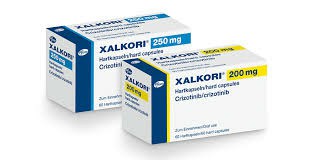
In terms of treatment duration, the use cycle of crizotinib does not have a fixed treatment limit like traditional chemotherapy drugs, but it is a long-term oral targeted therapy. Patients usually need to start taking the medication after molecular testing confirms ALK or ROS1 positivity and continue taking the medication until disease progression or the medication needs to be discontinued due to adverse reactions. In clinical practice, most patients will take it for a long time when their disease is well controlled. Therefore, the relationship between the dosage of a single box and the course of treatment mainly depends on the individual's tolerance and disease status.
Overseas guidelines emphasize that the treatment course should be dynamically adjusted based on imaging evaluation and patient clinical performance, and if necessary, combined with other treatment modalities such as radiotherapy or immunotherapy. The coverage of medical insurance policies has greatly eased the financial burden of patients and made it possible to continue taking medication at the recommended dose. For patients who require long-term treatment, maintaining standardized doses and regular treatment courses is the key to ensuring therapeutic efficacy. At the same time, regular review should be noted to monitor tumor progression and adverse reactions.
Reference materials:https://go.drugbank.com/drugs/DB08865
[ 免责声明 ] 本页面内容来自公开渠道(如FDA官网、Drugs官网、原研药厂官网等),仅供持有医疗专业资质的人员用于医学药学研究参考,不构成任何治疗建议或药品推荐。所涉药品可能未在中国大陆获批上市,不适用于中国境内销售和使用。如需治疗,请咨询正规医疗机构。本站不提供药品销售或代购服务。


