
.jpeg)
Rationale for evaluating pitubrutinib/jeparib for the treatment of relapsed/refractory CLL
BRUIN CLL-321 is an important randomized phase 3 clinical study designed to evaluate the efficacy of the non-covalent BTK inhibitor Pirtobrutinib in patients with relapsed/refractory chronic lymphocytic leukemia (CLL). This study is particularly focused on patients who have previously been treated with a covalent BTK inhibitor. As more and more new drugs enter the treatment market, treatment strategies for relapsed or refractory CLL continue to evolve. Therefore, research on this group of patients is particularly important.
In the study, patients were randomly assigned to receive either pitubrutinib or a physician's choice of treatment, including bendamustine plus rituximab or idelalisib plus rituximab. The study design allowed flexibility for patients with prior treatment history, including allowing patients with a history of atrial fibrillation to participate. This design not only demonstrates the inclusivity of clinical research, but also provides a reference for treatment selection for patients in the real world.
An important feature of the BRUIN CLL-321 study is that all participants were patients previously treated with a covalent BTK inhibitor. This context makes the findings more clinically relevant, as such patients often face challenges with limited treatment options. The results of this study provide clinicians with a new therapeutic perspective, showing that pitubrutinib has significant efficacy in this specific patient population.
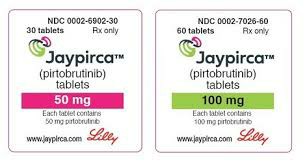
In terms of specific data, the study results showed that the median progression-free survival (PFS) of the pitubrutinib group reached 14 months, while the median PFS of the patient group who received physician-selected treatment was only 8.7 months. This difference was not only statistically significant (P=0.0002), but also demonstrated that Pitobrutinib had a clear advantage in delaying disease progression. In addition, the median progression-free survival evaluated by the investigators showed that the median PFS in the pitubrutinib group was 15.3 months, compared with 9.2 months in the physician's choice group, further confirming its efficacy.
The study also evaluated the median time to start the next treatment (TTNT). The results showed that the median TTNT in the pitobrutinib group was 24 months, which was also significantly different from the 10.9 months in the physician's choice group (HR, 0.37). This finding suggests that pitubrutinib may provide a new treatment option for patients with relapsed/refractory CLL, especially if they have experienced failure of other treatments.
Mechanistically, pitubrutinib, as a non-covalent BTK inhibitor, is better tolerated and has a lower risk of side effects than traditional covalent BTK inhibitors. This allows it to meet the needs of a wider range of patients in clinical applications, especially those who respond poorly to or develop resistance to covalent BTK inhibitors. In addition, the non-covalent nature makes pitubrutinib more flexible and adaptable under specific circumstances, which also provides it with a wider scope of application.
Overall,The research results of BRUIN CLL-321 provide new ideas for the treatment of chronic lymphocytic leukemia, especially in the management of relapsed and refractory patients. As further research on this drug and clinical data accumulate, pytopubrutinib is expected to become one of the important treatment options in this field.
Reference materials:https://www.onclive.com/view/dr-ghia-on-the-rationale-for-evaluating-pirtobrutinib-in-relapsed-refractory-cll
[ 免责声明 ] 本页面内容来自公开渠道(如FDA官网、Drugs官网、原研药厂官网等),仅供持有医疗专业资质的人员用于医学药学研究参考,不构成任何治疗建议或药品推荐。所涉药品可能未在中国大陆获批上市,不适用于中国境内销售和使用。如需治疗,请咨询正规医疗机构。本站不提供药品销售或代购服务。


