
.jpeg)
What are the combination regimens of giritinib/segatan?
Gilteritinib is an oral selective FLT3 tyrosine kinase inhibitor, mainly used to treat patients with relapsed or refractory acute myeloid leukemia (AML) carrying FLT3 mutations. Monotherapy has shown significant efficacy, but in clinical practice, combination strategies have received increasing attention in order to improve treatment response rates, delay the development of drug resistance, and improve long-term survival rates.
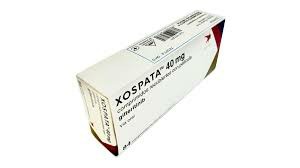
In existing clinical studies and guidelines, giritinib is often used in combination with low-intensity chemotherapy regimens. Low-intensity chemotherapy usually includes azacitidine or norcytidine, and is suitable for older patients or those with comorbidities who cannot tolerate intensive chemotherapy. The principle of combined medication is that giritinib blocks leukemia cell proliferation by inhibiting the FLT3 signaling pathway, while low-intensity chemotherapy provides additional cytotoxic effects. The synergistic effect of the two can promote leukemia cell apoptosis and improve the bone marrow environment, helping to increase the complete remission rate.
In addition, in some clinical practices, giritinib is also used in combination with maintenance therapy before and after hematopoietic stem cell transplantation (HSCT). As a maintenance treatment drug, giritinib can delay the risk of relapse of FLT3-positive AML and provide additional protection for patients after transplantation. In some exploratory studies, giritinib has also been tried in combination with other targeted drugs such as BCL-2 inhibitors to deal with multi-drug resistance mechanisms, showing potential synergistic effects. However, these strategies are still in the clinical verification stage, and the risks and efficacy need to be carefully evaluated.
The dosage and timing of combined medication must be comprehensively determined by an experienced hematologist based on the patient's age, severity of illness, previous treatment history, and liver and kidney function. During the treatment process, blood, liver and kidney function, electrocardiogram and other indicators need to be closely monitored in order to adjust the dose in a timely manner to ensure the safety of the treatment.
Reference materials:https://www.xospata.com/
[ 免责声明 ] 本页面内容来自公开渠道(如FDA官网、Drugs官网、原研药厂官网等),仅供持有医疗专业资质的人员用于医学药学研究参考,不构成任何治疗建议或药品推荐。所涉药品可能未在中国大陆获批上市,不适用于中国境内销售和使用。如需治疗,请咨询正规医疗机构。本站不提供药品销售或代购服务。


