
.jpeg)
A comprehensive comparative analysis of the efficacy and side effects of Trelagliptin and sitagliptin
Trelagliptin (Trelagliptin) and sitagliptin (Sitagliptin) both belong to dipeptidyl peptidase-4 (Sitagliptin pan>DPP-4) inhibitor is an oral hypoglycemic drug used for the treatment of type 2 diabetes (T2DM). Both prolong glucagon-like peptide-1 (GL by inhibiting DPP-4 enzyme activity P-1) and glucose-dependent insulin secretagogue (GIP), thereby promoting insulin secretion, inhibiting glucagon release, and improving glycemic control. Although the mechanisms of the two are similar, there are some differences in dosage form, frequency of administration, maintenance of efficacy and side effects, which deserve comprehensive evaluation by clinicians and patients.
First of all, in terms of dosing schedule and convenience, the biggest advantage of trolagliptin is its once-weekly oral administration. Clinical trials have shown that taking trolagliptin once a week can effectively maintain blood sugar control, especially for patients with poor compliance with daily medication. Sitagliptin needs to be taken once a day. Although it is convenient, long-term compliance may be slightly inferior to trotagliptin. In terms of efficacy maintenance, multiple studies have shown that trotagliptin and sitagliptin have similar reductions in average blood sugar levels (HbA1c). Both can significantly reduce fasting blood sugar and postprandial blood sugar, and have good adaptability to patients of different ages and body mass indexes.
In terms of efficacy details, clinical data show that trotagliptin has a slight advantage in controlling the fluctuation of glycated hemoglobin while reducingHbA1c. This may be related to its long-acting administration characteristics and stable blood concentration. Sitagliptin is also outstanding in short-term efficacy, especially when combined with metformin or other oral hypoglycemic drugs, it can enhance blood sugar control. However, since sitagliptin requires daily medication, some patients may experience increased blood sugar fluctuations when they miss a dose. However, the weekly dosing mode of trotagliptin reduces the risk of missed doses and is more convenient for long-term blood sugar management.
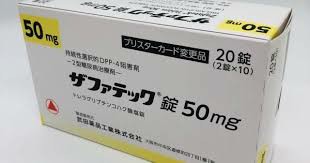
Both were generally well tolerated in terms of side effects and safety. Common adverse reactions mainly include upper respiratory tract infection, headache, gastrointestinal discomfort, mild rash, etc. The risk of hypoglycemia is low, but you still need to be alert to hypoglycemic events when using it in combination with sulfonylureas or insulin. It is worth noting that because of the long dosing interval of trotagliptin, the blood concentration remains stable, resulting in relatively small fluctuations in blood sugar, which may reduce the incidence of hypoglycemia. Sitagliptin has shown good cardiovascular safety in long-term observation and can be used safely in patients with mild to moderate renal impairment, but the dose needs to be adjusted according to renal function.
In terms of application to special populations, once-a-week dosing of trolagliptin is especially suitable for elderly patients, those with memory loss or poor medication compliance, and is more convenient for patients on business trips and travels. The advantage of once-daily administration of sitagliptin is that the daily dose can be flexibly adjusted, and it is easy to synergistically control blood sugar when used in combination with other oral antidiabetic drugs. There are limited safety data for use during pregnancy and lactation, so such patients need to weigh the risks and benefits under the guidance of a doctor. Overall, the two drugs are equally effective, but the long-acting dosing mode of trotagliptin offers greater convenience and potential compliance advantages.
Taken together, trotagliptin and sitagliptin, as DPP-4 inhibitors, can effectively improve blood sugar control in patients with type 2 diabetes, reduce fasting and postprandial blood sugar levels, and have less impact on body weight. The once-weekly administration of trotagliptin gives it certain advantages in terms of compliance, blood sugar fluctuation control, and application in special populations; sitagliptin is administered once a day, has rich clinical data, and has reliable efficacy when combined with other antidiabetic drugs. The choice of drug should take into account factors such as the patient's age, medication compliance, comorbidities, renal function, and financial affordability to formulate an individualized treatment plan and achieve safe, effective, and convenient blood sugar management.
Reference materials:https://www.drugs.com/
[ 免责声明 ] 本页面内容来自公开渠道(如FDA官网、Drugs官网、原研药厂官网等),仅供持有医疗专业资质的人员用于医学药学研究参考,不构成任何治疗建议或药品推荐。所涉药品可能未在中国大陆获批上市,不适用于中国境内销售和使用。如需治疗,请咨询正规医疗机构。本站不提供药品销售或代购服务。


