
.jpeg)
Analysis of the main functions, efficacy and clinical application of Inalisate (Iheli)
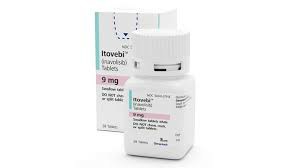
Inavolisib (trade name Itovebi) is an oral highly selective phosphatidylinositol3-kinase alpha (PI3Kα) inhibitor, which mainly targets hormone receptor-positive (H Patients with locally advanced or metastatic breast cancer who have R+), human epidermal growth factor receptor 2 negative (HER2-), or PIK3CA gene mutations. This drug was developed by Roche and is one of the precision targeted therapeutic drugs currently in clinical use for PIK3CA mutations. PI3K/AKT/mTOR signaling pathway plays a central role in the occurrence, development and drug resistance mechanisms of various tumors, especially in breast cancer, where about 40% of HR +HER2-Patients have PIK3CA gene mutations, which lead to continuous activation of PI3Kα protein, promote tumor cell proliferation and produce resistance to endocrine therapy. Inaliset blocks this signaling pathway by highly selectively inhibiting the catalytic subunit p110α of PI3Kα, thereby inhibiting the proliferation and survival of tumor cells. In addition, it can also promote the degradation of mutant PI3Kα protein and enhance anti-tumor activity. This mechanism gives it significant advantages in the treatment of drug-resistant and recurrent breast cancer.
In terms of clinical efficacy, the efficacy of inaliset has been verified in multiple clinical trials. INAVO120Research shows that inaliset combined with palbociclib (Palbociclib) and fulvestrant (Fulvestrant
Regarding safety and side effects, clinical studies show that inaribide is generally well tolerated, but there are still certain adverse reactions. Common adverse reactions include gastrointestinal symptoms (such as stomatitis, nausea, vomiting, diarrhea), skin reactions (such as rash, dry skin, alopecia), increased blood sugar, and mild to moderate hematological abnormalities. In the INAVO120 trial, approximately 6% of patients discontinued treatment due to adverse reactions. Therefore, during the use of inaliset, regular monitoring of blood sugar levels, liver and kidney functions, and blood indicators is required in order to detect abnormalities in time and adjust the dosage or deal with related side effects. At the same time, patients with diabetes or cardiovascular disease should undergo individualized management under the guidance of a doctor to reduce treatment risks.
In terms of clinical application, inalise is mainly used to treat patients with locally advanced or metastatic breast cancer with HR+HER2- and PIK3CA mutations. It is especially suitable for use when endocrine therapy fails or the disease progresses. Typically, inaliset is combined with palbociclib and fulvestrant to increase efficacy. When formulating a medication regimen, doctors should fully consider the patient's age, liver and kidney function, comorbidities, and drug tolerance, and adjust the dosage individually based on the patient's condition. Since Inalise has not yet been included in China's medical insurance list, patients need to purchase it at their own expense during use. Therefore, economic cost is also a factor that patients and doctors need to consider when choosing treatment options. In addition, patients need to regularly review tumor indicators and imaging examinations during treatment to evaluate the efficacy and adjust treatment strategies in a timely manner.
In general, inalisate, as a highly selective PI3Kα inhibitor, has shown significant efficacy in the treatment of HR+HER2- and PIK3CA mutated advanced breast cancer. Its precise targeting mechanism can effectively inhibit tumor cell proliferation and prolong progression-free survival, while having little impact on normal cells and controllable side effects. With the accumulation of clinical experience and the improvement of medication guidelines, inalise is expected to become an important drug choice for the precision treatment of advanced breast cancer, providing patients with more safe and effective treatment options. Through reasonable use and monitoring, inalise can play an important role in delaying disease progression, improving quality of life, and reducing the risk of recurrence. Its future application prospects in the treatment of breast cancer are worth looking forward to.
Reference materials:https://www.drugs.com/
[ 免责声明 ] 本页面内容来自公开渠道(如FDA官网、Drugs官网、原研药厂官网等),仅供持有医疗专业资质的人员用于医学药学研究参考,不构成任何治疗建议或药品推荐。所涉药品可能未在中国大陆获批上市,不适用于中国境内销售和使用。如需治疗,请咨询正规医疗机构。本站不提供药品销售或代购服务。


