
.jpeg)
Differences and advantages of Fidaxomicin and vancomycin in antibacterial effects
Fidaxomicin) and vancomycin (Vancomycin) are both important antibiotics used to treat Clostridioides difficile infection (CDI), but there are obvious differences in their mechanisms of action and clinical applications. Fidaxomicin is a new macrolide antibiotic that kills Clostridium difficile mainly by inhibiting bacterial RNA polymerase and preventing protein synthesis. In contrast, vancomycin is a glycopeptide antibiotic that exerts bactericidal effects by inhibiting bacterial cell wall synthesis. The difference in mechanism makes the two have different antibacterial spectrum and targeting properties.
In terms of antibacterial targeting, fidaxomicin is characterized by high selectivity. Its main target is Clostridium difficile and has little impact on other beneficial bacteria in the intestine, so it has less interference with the intestinal microecology. This has significant advantages in reducingCDI recurrence. Vancomycin has a wider antibacterial spectrum. Although it can effectively inhibit Clostridium difficile, it may also destroy the normal intestinal flora and increase the risk of intestinal flora imbalance, which may lead to a relatively high recurrence rate.
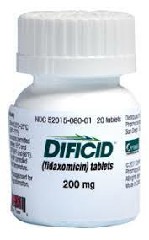
In terms of clinical efficacy comparison, multiple studies have shown that the efficacy of fidaxomicin is equivalent to that of vancomycin in the initial treatment of CDICDI, but it has obvious advantages in reducing the recurrence of infection. Fidaxomicin has a strong selective bactericidal effect on Clostridium difficile and can effectively reduce the recurrence rate in the short term, which is particularly important for elderly patients or high-risk groups with underlying diseases. Although vancomycin is relatively low-priced and has a long history of use, it is slightly insufficient in controlling recurrence and needs to be combined with other measures, such as probiotics or fecal transplantation, to reduce the risk of recurrence.
In general, fidaxomicin and vancomycin have their own advantages in treating Clostridium difficile infection: fidaxomicin has the advantage of strong targeting, little interference with intestinal flora, and low recurrence rate, while vancomycin has advantages in drug cost and usage experience. Choosing appropriate drugs according to the patient's specific conditions can take into account efficacy, safety and economy, thereby achieving the best therapeutic effect of CDI.
Reference materials:https://www.drugs.com/
[ 免责声明 ] 本页面内容来自公开渠道(如FDA官网、Drugs官网、原研药厂官网等),仅供持有医疗专业资质的人员用于医学药学研究参考,不构成任何治疗建议或药品推荐。所涉药品可能未在中国大陆获批上市,不适用于中国境内销售和使用。如需治疗,请咨询正规医疗机构。本站不提供药品销售或代购服务。


