
.jpeg)
Are Valganciclovir and Valganciclovir the same? Compare the differences between the two
In the treatment of viral diseases, especially cytomegalovirus (CMV) infection, the two names Valganciclovir and Ganciclovir are often mentioned at the same time, which can easily cause confusion among patients and even some clinical novices. In fact, although the two are antiviral drugs and are structurally related, they are fundamentally different in terms of pharmacological properties, clinical use methods, absorption and metabolism, etc. To put it simply, valganciclovir is the prodrug of ganciclovir. It is an upgraded version that can achieve efficient conversion in the body and exert its therapeutic effect in a more convenient way through an improved design of its molecular structure.
From a drug structure perspective, valganciclovir is a L-valine esterified precursor form, which is designed to overcome the low oral bioavailability of ganciclovir. Ganciclovir itself has limited absorption efficiency when taken orally, so traditional use often relies on intravenous infusion, which limits its flexibility and patient compliance in clinical use. In contrast, valganciclovir is rapidly metabolized into the active form of ganciclovir in the body after oral administration, and can reach blood concentrations close to intravenous injection levels, greatly improving the therapeutic effect of the oral route. Therefore, valganciclovir is more suitable for maintenance treatment and prevention strategies in patients with CMV infection who require long-term or outpatient management.
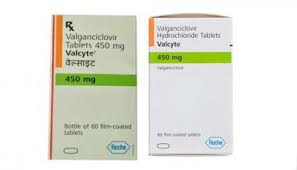
In terms of indications, the two are basically the same, and both are widely used to prevent and treat CMV infection in patients with low immune function.For example, recipients after organ transplantation, those receiving immunosuppressive therapy, and patients with HIV combined with CMV retinitis, etc. However, when selecting treatment strategies, doctors often make differentiated choices based on the severity of the disease and the patient's clinical environment. For severe CMV infection, especially when rapid onset of action is required, injectable ganciclovir is still the first choice; while in maintenance phase or outpatient oral treatment, valganciclovir is more commonly used as a convenient and efficient alternative.
The two also have significant differences in medication methods and convenience. The intravenous use of ganciclovir requires hospitalization or professional nursing conditions, and infusion equipment is required. As a tablet, valganciclovir only needs to be taken orally once or twice a day to complete the treatment, which significantly reduces the patient's treatment burden and reduces the risk of infection and costs caused by intravenous injection. In addition, the oral dose of valganciclovir is also relatively lower due to its high absorption rate, which can reduce the probability of drug-related adverse reactions during long-term use, especially in patients with weak renal function or who are taking multiple drugs.
Although both are ultimately converted into the same active form in the body——Ganciclovir triphosphate is used to inhibit the replication of viral DNA, but valganciclovir uses a precursor strategy to improve its pharmacokinetic advantages and patient convenience while ensuring efficacy. Therefore, judging from global trends, valganciclovir has gradually replaced traditional ganciclovir as one of the first-choice drugs for oral treatment of CMV in many countries.
Reference materials:https://go.drugbank.com/drugs/DB01610
[ 免责声明 ] 本页面内容来自公开渠道(如FDA官网、Drugs官网、原研药厂官网等),仅供持有医疗专业资质的人员用于医学药学研究参考,不构成任何治疗建议或药品推荐。所涉药品可能未在中国大陆获批上市,不适用于中国境内销售和使用。如需治疗,请咨询正规医疗机构。本站不提供药品销售或代购服务。


