
.jpeg)
What are the adverse reactions of Valganciclovir?
Valganciclovir is a nucleoside antiviral drug widely used to prevent and treat cytomegalovirus (CMV) infection. It is an important drug to control CMV activation, especially for people with compromised immune function, such as patients after organ transplantation and HIV infection. However, while it exerts antiviral effects, it is also accompanied by a series of adverse reactions, which requires patients to use it under professional guidance.
First, the most common adverse reactions are blood system-related problems, including neutropenia, anemia and thrombocytopenia. These side effects may be related to the drug's suppression of bone marrow hematopoietic function. Therefore, regular blood routine monitoring is required during treatment to avoid the occurrence of severe bone marrow suppression.
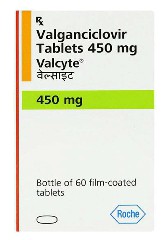
Secondly, gastrointestinal reactions are also common problems for patients, such as nausea, vomiting, diarrhea or loss of appetite. These symptoms are usually more obvious in the early stages of medication, but can be alleviated by adjusting the diet or combining with other drugs. Some patients may experience neurological reactions, including headache, insomnia, irritability, or difficulty concentrating. Although most are mild to moderate, special attention is needed in the elderly or those with poor liver and kidney function.
In addition, nephrotoxicity is a potential risk of valganciclovir that cannot be ignored. Since it is mainly excreted by the kidneys, the drug may accumulate in the body of patients with renal insufficiency, thereby increasing toxic reactions. Therefore, in actual clinical use, the dosage needs to be adjusted according to the patient's renal function, especially when other drugs that affect renal function are used in combination with vigilance.
In general, the side effects of valganciclovir are controllable, and the key lies in standardized medication management and monitoring strategies. Clinicians usually design individualized treatment plans based on the patient's basic conditions. At the same time, patients themselves should follow the doctor's instructions and not increase or decrease the dosage or change the treatment plan without authorization. While controlling the immune burden caused by cytomegalovirus, ensuring the safety of medication is the core goal of every patient treated for CMV infection.
Reference materials:https://go.drugbank.com/drugs/DB01610
[ 免责声明 ] 本页面内容来自公开渠道(如FDA官网、Drugs官网、原研药厂官网等),仅供持有医疗专业资质的人员用于医学药学研究参考,不构成任何治疗建议或药品推荐。所涉药品可能未在中国大陆获批上市,不适用于中国境内销售和使用。如需治疗,请咨询正规医疗机构。本站不提供药品销售或代购服务。


