
.jpeg)
What is the real efficacy of the new anti-lung cancer drug Osimertinib?
Osimertinib/Tagrisso (Osimertinib), as a third-generation EGFR targeted inhibitor, has been widely recognized in the treatment of non-small cell lung cancer (NSCLC) in recent years. Whether used in late-stage drug-resistant patients or in postoperative adjuvant therapy, osimertinib has demonstrated excellent anti-cancer effects. It can be seen from real-world data feedback and international large-scale research trends that this drug has become a new pillar in the treatment of EGFR mutant lung cancer, and its efficacy is gradually changing the traditional treatment path.
Compared with the first or second generation EGFR inhibitors, osimertinib has stronger mutation selectivity, especially for T790M resistance mutation, which has a clear mechanism of action. This advantage allows osimertinib not only to effectively control the spread of tumors caused by the initial mutation, but also to continue to delay disease progression after patients develop drug resistance. After using osimertinib, many lung cancer patients have seen their tumors shrink significantly, their symptoms improve significantly, and there is a trend of long-term stable disease control, which is not common in previous treatment options.
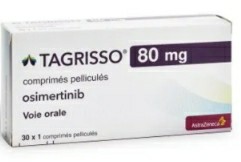
The real efficacy is also reflected in the special control ability of osimertinib on brain metastasis. Among NSCLC patients, central nervous system metastasis is one of the signs of poor prognosis, and osimertinib has good blood-brain barrier penetration ability and can form an effective drug concentration in the brain to inhibit or delay the progression of brain metastases. A large amount of clinical practice has proven that osimertinib provides a more comprehensive disease management option for EGFR mutation-positive patients with or potential brain metastases.
From the perspective of postoperative adjuvant therapy, osimertinib is also gradually changing the composition of treatment strategies. In the past, traditional chemotherapy was usually relied on to prevent cancer recurrence after surgery. However, as targeted drugs penetrate into the early stages, the application of osimertinib after radical surgery has gradually become popular. Clinical trends suggest that this adjuvant treatment model not only reduces the risk of recurrence, but also prolongs disease-free survival and may improve the hope of long-term cure. Especially in people with classic EGFR activating mutations such as Ex19del or L858R, the preventive effect of osimertinib has become part of the guideline recommendations.
In addition, more and more international studies have begun to explore the combination treatment model of osimertinib, such as combining it with chemotherapy drugs or other targeted drugs, with the intention of improving the overall efficacy. This therapeutic strategy not only focuses on direct tumor control, but also attempts to activate deeper immune mechanisms to delay the development of drug resistance. Some research results show that in some patient groups, combination therapy has a longer progression-free time and longer-lasting efficacy than monotherapy.
It is worth emphasizing that although the efficacy of osimertinib is accurate, its effect is also affected by multiple factors such as the patient's genetic characteristics, lesion location, and treatment timing. Developing personalized treatment plans for different patients is still the key to improving the success rate of treatment. The concept of precision medicine is particularly evident in the treatment process of osimertinib. It has become a routine operation process to determine the EGFR mutation type through genetic testing and dynamically monitor the resistance mechanism.
Reference materials:https://go.drugbank.com/drugs/DB09330
[ 免责声明 ] 本页面内容来自公开渠道(如FDA官网、Drugs官网、原研药厂官网等),仅供持有医疗专业资质的人员用于医学药学研究参考,不构成任何治疗建议或药品推荐。所涉药品可能未在中国大陆获批上市,不适用于中国境内销售和使用。如需治疗,请咨询正规医疗机构。本站不提供药品销售或代购服务。


