
.jpeg)
Can sunitinib be used for gastrointestinal stromal tumors?
Sunitinib not only plays a central role in the treatment of renal cell carcinoma (RCC), but also plays an important role in the management of gastrointestinal stromal tumors (GIST). GIST is a type of tumor derived from the stromal tissue of the gastrointestinal tract and is usually closely related to KIT or PDGFRA gene mutations. Most patients receive imatinib treatment in the initial stage, but in some cases resistance or progression occurs, at which time sunitinib becomes a key second-line treatment. It effectively delays tumor growth and metastasis by inhibiting multiple signaling pathways such as KIT, PDGFR, and VEGFR.
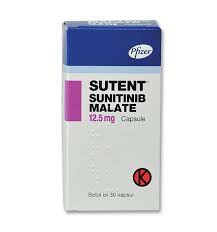
Especially in patients who have developed resistance to imatinib, sunitinib offers hope for further control of the disease. Studies have shown that many patients are able to delay disease progression and maintain a better quality of life while taking sunitinib. One of the advantages of sunitinib is that it has multiple targets and can cover many different mutational forms in GIST, so even if the tumor becomes resistant to the first-choice treatment, it may still respond to sunitinib.
In addition to slowing tumor growth, sunitinib can also control symptoms associated with GIST, such as abdominal bloating, bleeding, or gastrointestinal obstruction. The convenience of oral administration also improves patient compliance and treatment continuity. In clinical practice, doctors usually evaluate whether sunitinib is suitable for subsequent treatment based on the patient's type of drug-resistant mutation and overall health status. For patients with GIST who have progressed after receiving imatinib treatment, sunitinib has become the standard second-line treatment option recommended by international consensus.
It should be noted that the side effects of sunitinib cannot be ignored, mainly including skin reactions, gastrointestinal discomfort, and cardiovascular burden. However, most adverse reactions can be effectively alleviated after dose adjustment, so close monitoring and reasonable management are particularly critical.
Reference materials:https://www.sutent.com/
[ 免责声明 ] 本页面内容来自公开渠道(如FDA官网、Drugs官网、原研药厂官网等),仅供持有医疗专业资质的人员用于医学药学研究参考,不构成任何治疗建议或药品推荐。所涉药品可能未在中国大陆获批上市,不适用于中国境内销售和使用。如需治疗,请咨询正规医疗机构。本站不提供药品销售或代购服务。


