
.jpeg)
What are the common side effects of the targeted drug osimertinib?
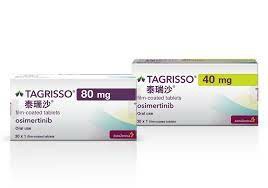
Osimertinib is a third-generation EGFR tyrosine kinase inhibitor (EGFR-TKI) that is widely used to treat EGFR-mutated non-small cell lung cancer (NSCLC), especially in patients with T790M mutations and brain metastases. As a targeted drug, osimertinib is less toxic than chemotherapy, but it is not completely free of side effects. Understanding its common adverse reactions is crucial for early identification and appropriate management of patients.
One of the most commonly reported side effects is gastrointestinal effects, which mainly include diarrhea, nausea, decreased appetite, and vomiting. These symptoms are mostly mild to moderate and often appear in the early stages of treatment, but may persist with long-term medication. Diarrhea is the most common manifestation, and some patients may have an impact on their daily diet or weight, requiring appropriate hydration and medical intervention under the guidance of a doctor.
Skin-related side effects are also typical adverse reactions of osimertinib, mainly manifesting as rash, dryness, itching or brittle nails. Although these reactions are usually not life-threatening, they can affect quality of life and sometimes require medication to be suspended or adjusted. The rash is mostly concentrated on the face and upper trunk and is related to sun exposure. Therefore, patients are advised to moisturize their skin and protect themselves from the sun.
In addition, some patients may experience cardiac side effects, such asQT prolongation or bradycardia. Although these ECG changes are uncommon, special monitoring is needed in patients with a history of cardiovascular disease or those taking other medications. Doctors often perform regular electrocardiograms and electrolyte tests before and after treatment to prevent potential risks.
In rare cases, osimertinib may also cause interstitial lung disease-like changes (ILD), which is a rare but potentially serious side effect manifested by dry cough, shortness of breath, hypoxemia, etc. If the patient develops obvious dyspnea during treatment, he or she must contact the doctor as soon as possible. The medication may need to be discontinued and imaging examinations may be performed.
Reference materials:https://go.drugbank.com/drugs/DB09330
[ 免责声明 ] 本页面内容来自公开渠道(如FDA官网、Drugs官网、原研药厂官网等),仅供持有医疗专业资质的人员用于医学药学研究参考,不构成任何治疗建议或药品推荐。所涉药品可能未在中国大陆获批上市,不适用于中国境内销售和使用。如需治疗,请咨询正规医疗机构。本站不提供药品销售或代购服务。


