
.jpeg)
Are there any dietary restrictions during treatment with dabrafenib?
Dabrafenib is an oral BRAF inhibitor that has significant effects in the treatment of malignant tumors with BRAF V600 mutations, such as unresectable or metastatic melanoma, non-small cell lung cancer (NSCLC), and thyroid cancer. It is often used in combination with the MEK inhibitor trametinib to enhance tumor suppressor activity and delay the development of drug resistance. During the medication process, although the instructions do not mandate specific dietary requirements, from the perspective of drug metabolism pathways, potential adverse reactions and drug interactions, scientific dietary management is crucial to improving drug efficacy and mitigating side effects.
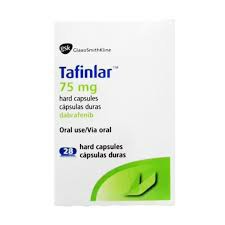
First, dabrafenib should be taken on an empty stomach. Studies have shown that under eating conditions, especially under the interference of high-fat diet, the bioavailability of dabrafenib will be significantly reduced, which may lead to unstable blood concentration and affect the efficacy. Therefore, it is recommended that patients take the medicine at a fixed time every day, 1 hour before taking the medicine or 2 hours after a meal to avoid food interfering with the release of the medicine. In addition, you should try to avoid ingesting grapefruit and its juice, because grapefruit contains ingredients that inhibit the liver CYP3A4 enzyme, which will affect the metabolism rate of dabrafenib in the body, may cause drug accumulation, and increase toxic and side effects.
For common adverse reactions, such as fever, gastrointestinal discomfort, dry skin, etc., a reasonable diet can provide auxiliary support. For example, foods high in vitamin C and vitamin B complex, such as dark-colored vegetables, whole grains and fruits, can enhance immunity; while patients with oral mucositis and changes in taste are more suitable to eat mild and easy-to-digest foods, such as porridge, stews, etc., to avoid harm to the oral cavity and gastrointestinal tract from spicy, hard or irritating foods.
Furthermore, if patients have abnormal liver function or impaired kidney function, they should limit alcohol, processed foods, and high-salt and high-sugar foods in their diet to avoid increasing the burden on their organs. Dabrafenib is metabolized by the liver, and drinking alcohol may cause additional stress on liver cells, induce elevated liver enzymes, and even cause hepatotoxicity.
Reference materials:https://go.drugbank.com/drugs/DB08912
[ 免责声明 ] 本页面内容来自公开渠道(如FDA官网、Drugs官网、原研药厂官网等),仅供持有医疗专业资质的人员用于医学药学研究参考,不构成任何治疗建议或药品推荐。所涉药品可能未在中国大陆获批上市,不适用于中国境内销售和使用。如需治疗,请咨询正规医疗机构。本站不提供药品销售或代购服务。


