
.jpeg)
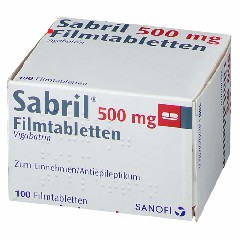
Vigabatrin (vigabatrin) drug interactions and medication conflict avoidance recommendations
Vigabatrin (Vigabatrin) is a gamma-aminobutyric acid (GABA) aminotransferase inhibitor, commonly used to treat refractory epilepsy, especially infantile spasms (West syndrome) and refractory partial epilepsy that are refractory to other drugs. Due to its unique mechanism of action and potential side effects, special attention must be paid to the interactions between drugs during combined medication to prevent medication conflicts from aggravating adverse reactions or affecting efficacy. The following will elaborate on drug interaction mechanisms, common interacting drugs, medication recommendations to avoid conflicts, and monitoring strategies.
1. Vigabatrin’s mechanism of action and basis of interaction
VigabatrinBy irreversibly inhibiting GABAaminase (GABA-T), the concentration of GABA (the main inhibitory neurotransmitter) in the brain increases, thereby enhancing inhibitory nerve conduction and achieving anti-epileptic effects. Because its metabolic pathway is independent of most CYPenzymes (mainly excreted through the kidneys), drug interactions at the metabolic level are relatively rare. However, Vigabatrinmay have functional effects on other central nervous system drugs by altering neurotransmitter levels, and may also affect the plasma concentrations or neuronal excitability status of other antiepileptic drugs.
2. Common drug interaction types and risks
1.Interactions with other anti-epileptic drugs (AEDs)
Vigabatrin Synergistic, antagonistic, or neutral interactions may occur when used in combination with other antiepileptic drugs. For example:
Carbamazepine (Carbamazepine): may reduce the efficacy of Vigabatrin because it promotes neuronal excitatory activity, which is opposite to the mechanism of Vigabatrin. Caution is recommended in combination.
Sodium valproate (Valproate): Both can increase the concentration of GABA. Generally, there is no obvious pharmacokinetic conflict. However, combined use may enhance the sedation effect, and excessive suppression reactions need to be monitored.
Phenobarbital or phenytoin (Phenytoin):VigabatrinPhenytoin plasma concentrations may be reduced (possibly through enzyme induction or transporter interference), and epilepsy control needs to be monitored for effects.
2. Overlapping risks with central depressant drugs
VigabatrinCan cause sedation, drowsiness, drowsiness and other central-depressant side effects. When used concomitantly with benzodiazepines (such as diazepam), antipsychotics (such as olanzapine, quetiapine), and antidepressants (such as amitriptyline), it may worsen sedation and cognitive impairment and increase the risk of falls, especially in the elderly.
3.Potential conflicts with nephrotoxic drugs
Since Vigabatrin is mainly excreted by the kidneys, combined use with nephrotoxic drugs such as vancomycin, amikacin, and cyclosporine may increase the burden on renal function. Renal function should be closely monitored and the dose adjusted if necessary.
4.Extreme caution is required when used in combination with optic neurotoxic drugs
VigabatrinOne of the most serious adverse reactions is visual field defect, which is characterized by irreversible loss of peripheral vision. This risk may be aggravated if used together with drugs that also have optic neurotoxicity (such as ethambutol, isoniazid). Therefore, the combined use of such drugs should be avoided or vision monitoring should be strengthened during medication.
3. Clinical Suggestions for Avoiding Medication Conflicts
1.Assess past drug history in detail before taking medication
Before using Vigabatrin a comprehensive understanding of the patient's past medication status, including prescription drugs, over-the-counter drugs, supplements and herbal medicines, should be conducted to identify potential drug conflicts, especially drugs that may affect the central nervous system or optic nerve function.
2. Reasonably arrange the combination of anti-epileptic drugs
If it needs to be used in combination with other anti-epileptic drugs, it is recommended to give priority to drug combinations with no obvious conflict in pharmacokinetics and complementary mechanisms of action. Avoid combination with drugs that are stimulant or reduce GABA concentration. When combining drugs, the dosage should be adjusted gradually according to clinical response.
3.Adjust the timing and dosage of drug use
If there is a risk of drug interaction, it is recommended to stagger the medication time, reduce the dose of the conflicting drug, or give priority to non-conflicting alternatives. For example: taking Vigabatrin in the evening can reduce the side effects of daytime drowsiness to a certain extent.
4. Regularly carry out multi-system monitoring
In addition to the evaluation of the epilepsy control effect, it is recommended to conduct regular vision examinations (such as visual field testing), renal function (creatinine, urea nitrogen) assessment, and blood drug concentration monitoring during medication to identify adverse reactions as early as possible and take intervention.
4. Education and cooperation of patients and their families
In addition to the doctor's clinical judgment, the active cooperation of the patient and his family is equally critical. Patients should be educated to recognize early symptoms that may occur during medication use, such as:
Blurred vision and loss of field of vision;
Severe drowsiness and behavioral changes;
Abnormal fluctuations in seizure frequency.
Once the above phenomena are discovered, you should immediately seek medical treatment and adjust the plan. In addition, patients should be encouraged not to add or remove other anti-epileptic drugs or over-the-counter drugs without authorization, especially cold medicines, analgesics or sedative products, to avoid unexpected drug conflicts.
VigabatrinAs an important drug for the treatment of refractory epilepsy, its risk of drug interactions is relatively low, but you still need to be alert to possible adverse reactions when used in combination with other anti-epileptic drugs, central depressant drugs, and drugs with optic nerve or renal toxicity. Clinically, safe and effective combination treatment strategies should be implemented through individualized assessment, rational drug combinations, regular functional monitoring and patient education, so as to maximize treatment benefits and minimize drug risks.
Reference materials:https://www.drugs.com/
[ 免责声明 ] 本页面内容来自公开渠道(如FDA官网、Drugs官网、原研药厂官网等),仅供持有医疗专业资质的人员用于医学药学研究参考,不构成任何治疗建议或药品推荐。所涉药品可能未在中国大陆获批上市,不适用于中国境内销售和使用。如需治疗,请咨询正规医疗机构。本站不提供药品销售或代购服务。


